1 report
For one roof
$7.50
Calculated from precise satellite and measurement data, based on the precipitation data for your address, your roof area and your annual rainwater collection.
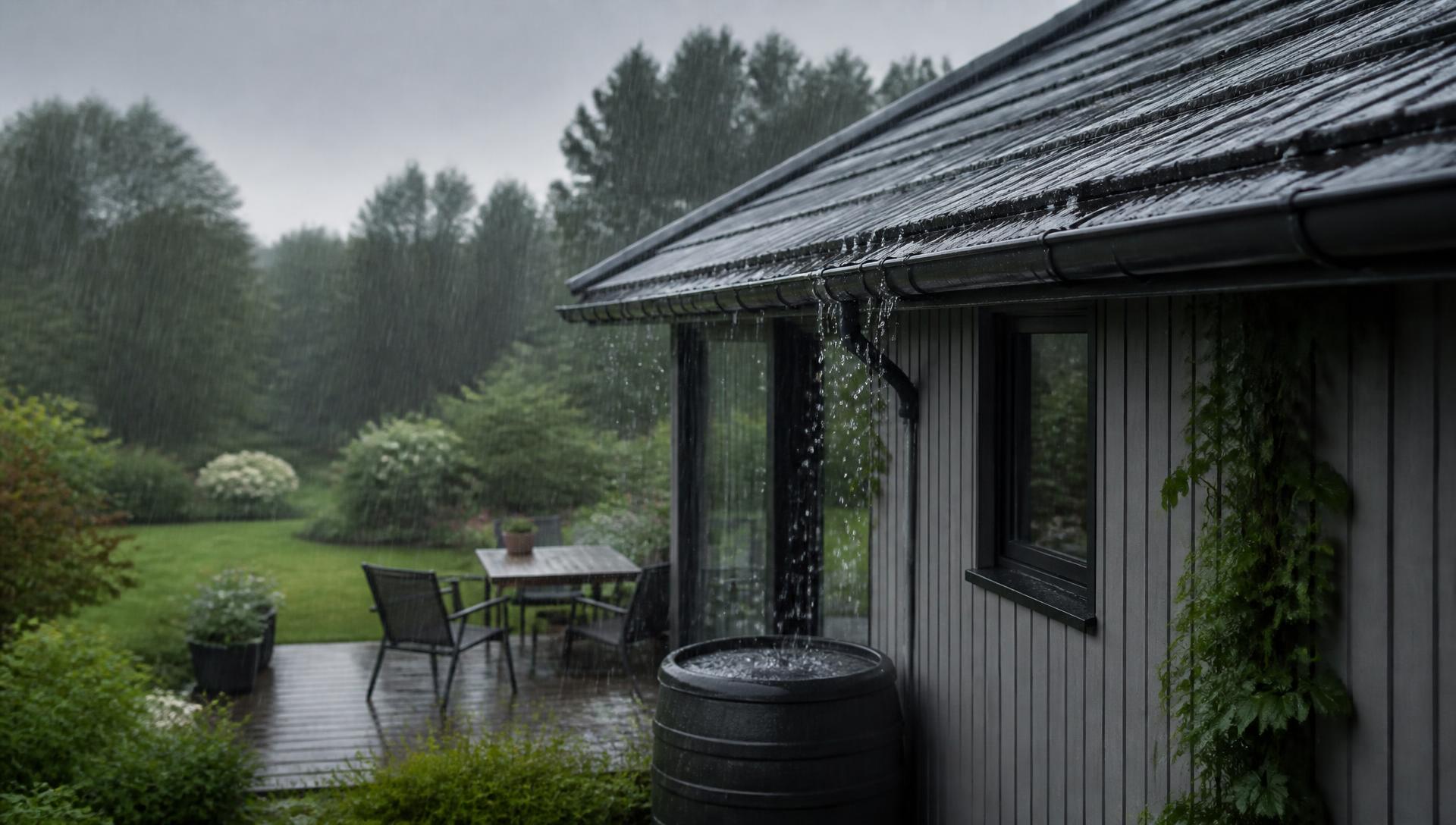
An average house roof receives tens of thousands of gallons of rain every year. By collecting the rainwater you can use it for many purposes in and around your home.
Your rainwater can be used for:
can fall on a typical home roof in a year

Thousands
car washes
Thousands
showers
Your own rainwater can be enough for thousands of car washes and showers.
Example based on 10 years of historical rainfall data
You can collect
per year
Average rainfall
Potential saving
Roof material
90 % collection
Best month
Weakest month
Calculated using real satellite and measurement data, based on rainfall at your address, your roof area and your annual rainwater collection.
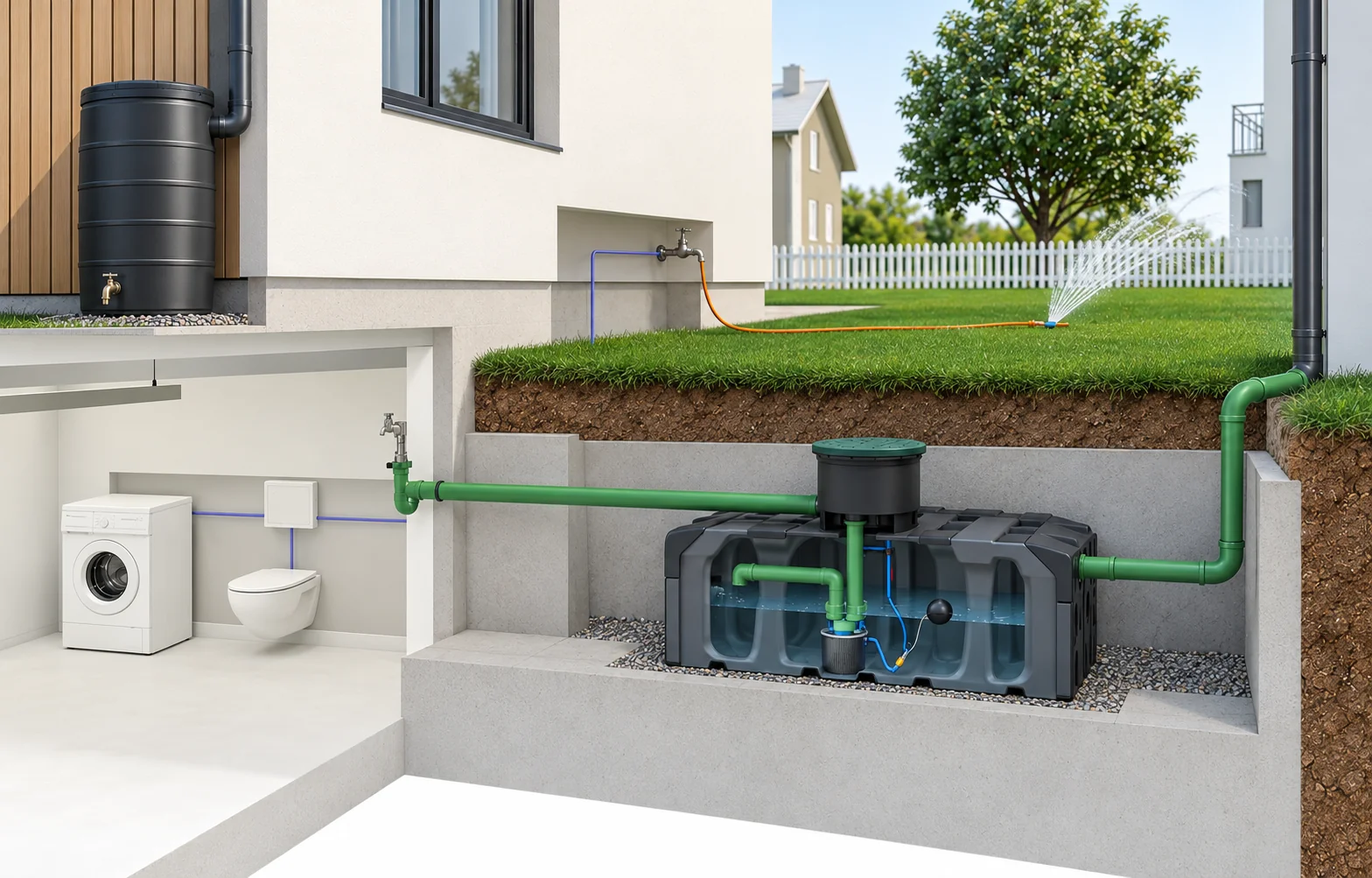
Calculated storage volume
Your storage needs calculated from rainfall at your property and the proportion of rainwater that runs off your roof.
Nearest tank size
Rounded up to a commonly available standard size for use and installation.
Choose a single report or a package with multiple reports. Larger packages offer a lower price per report.
See prices in your own currency
For one roof
$7.50
Plus
$290
$5.80 per report
Pro
$525
$5.25 per report
Business
$2,350
$4.70 per report
Enter your street address and we look up coordinates and local rainfall automatically.
Calculate nowHave latitude and longitude? Enter them directly for a calculation anywhere in the world.
Calculate nowAddress or coordinates, roof area in square feet and roof material.
A one-off fee via secure payment. VAT according to your country.
The result appears on screen straight away and is emailed to you with a receipt.

How long can you actually store rainwater? From a few days in a regular bucket to several years in a well-maintained water tank, the possibilities are greater than many people realize. With proper storage, filtration, and maintenance, rainwater can be stored for extended periods.
Read more
Could rainwater become an additional source of income? Property owners with large roof areas may have an opportunity to collect rainwater and sell it to businesses that need water for irrigation, landscaping, and other purposes.
Read more
Rainwater can be a valuable resource if you raise chickens, horses, sheep, goats, or other farm animals. By collecting rainwater from rooftops, you can make use of rainfall and supplement your farm's water supply. With the right collection system, storage methods, and water quality, rainwater can serve several purposes in livestock care. But which animals can drink rainwater, and what should you consider? Here's how rainwater can be collected, stored, and used.
Read more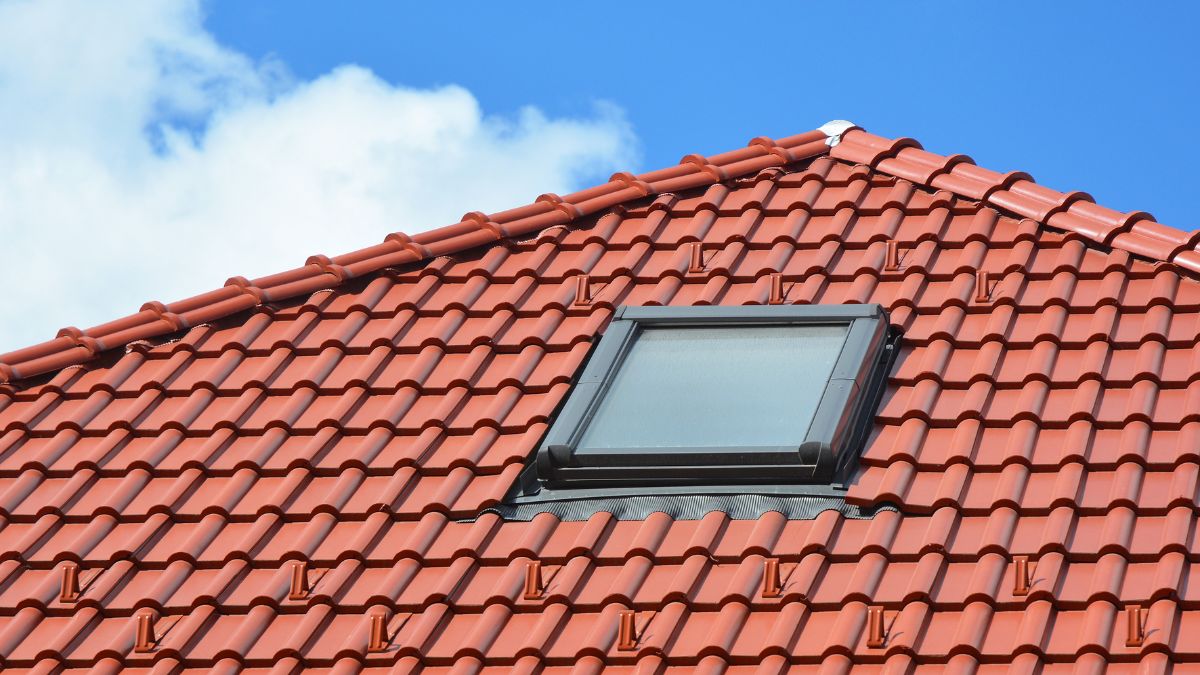
Roof windows are an effective way to bring more natural light into your home and create a brighter, more open indoor space. They work especially well on upper floors, in finished attics, and in rooms with sloped ceilings. However, there are several important things to consider before installing a roof window. The roof pitch, window placement, and weather conditions such as rain, snow, and strong winds can all affect performance and durability. Here's what you need to know to choose and install the right roof window.
Read more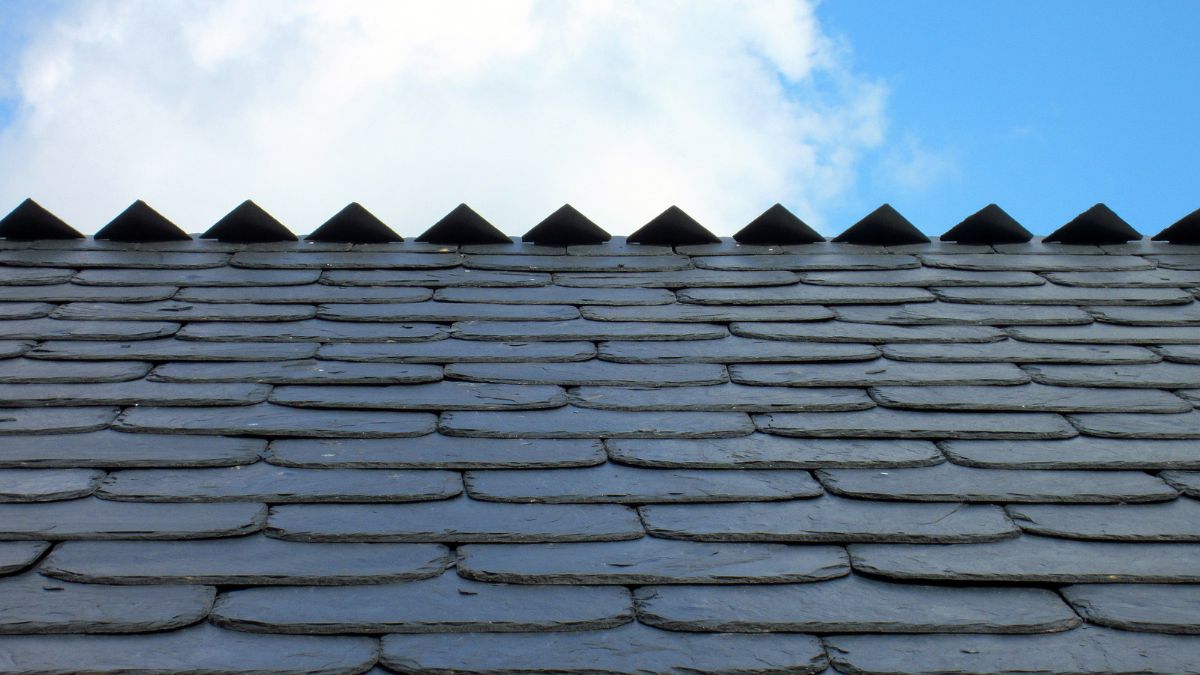
Slate is a natural stone material that has been used in construction for hundreds of years. With its distinctive texture, exceptional durability, and timeless appearance, slate is a popular choice for roofing, siding, flooring, and landscaping. However, several types of slate have different properties and uses. Here, we explore the most common varieties, their advantages, and what to consider when choosing slate.
Read more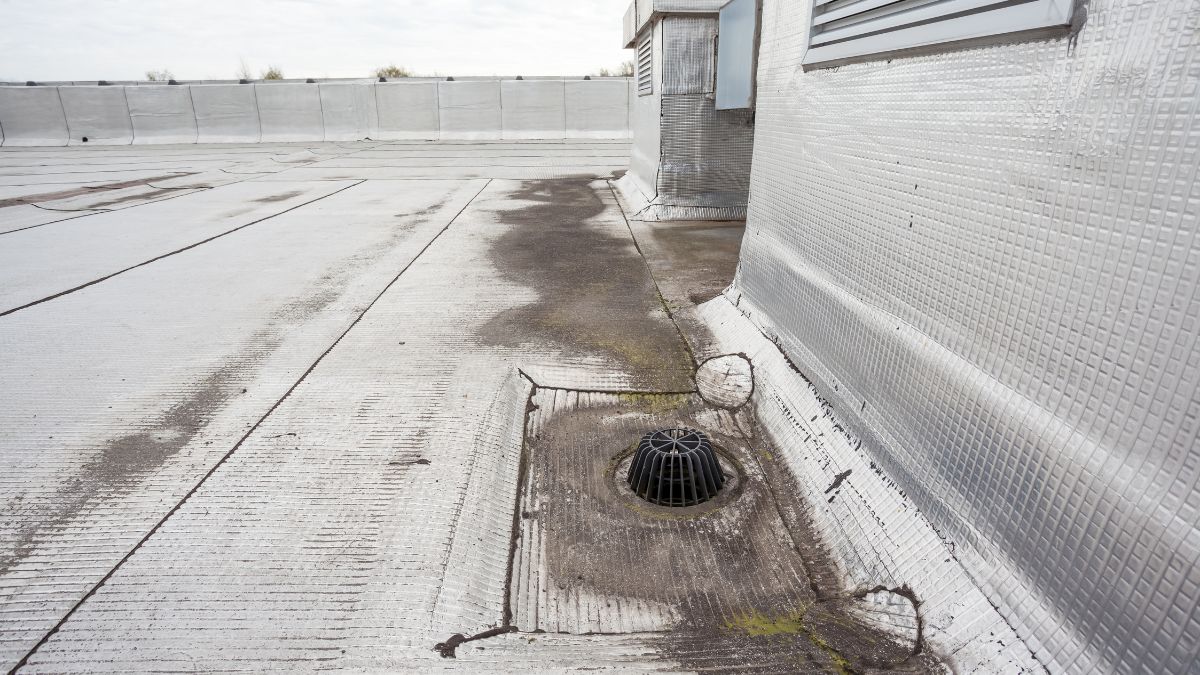
A roof drain is an essential part of a roof drainage system, helping remove rainwater and melting snow. On flat and low-slope roofs in particular, roof drains play a critical role in preventing standing water, moisture damage, and leaks. But how does a roof drain work, when should it be cleaned, and what should you consider during installation?
Read more