1 report
For one roof
$7.50
An accurate calculation based on real precipitation data for your exact address.
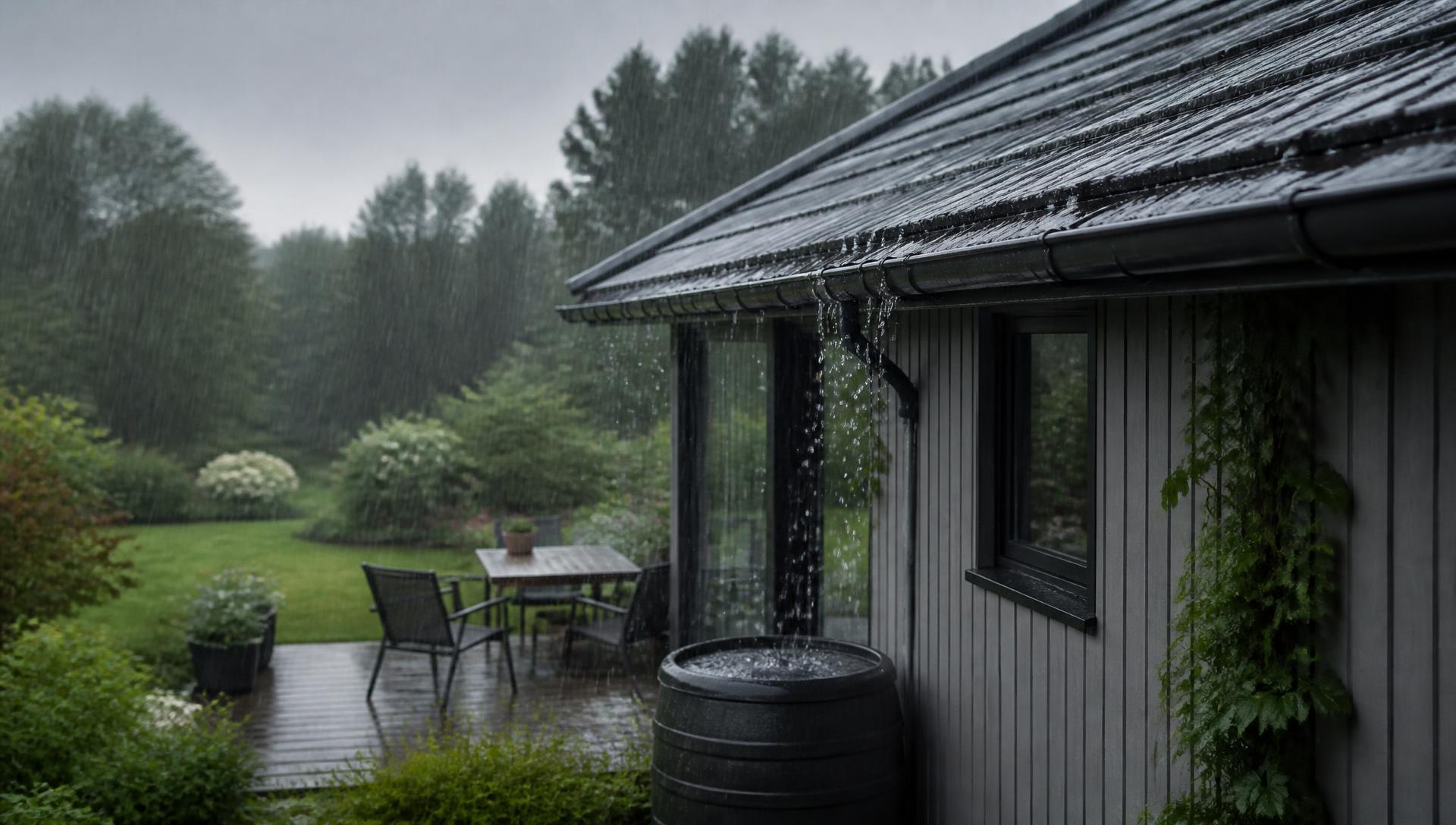
An average house roof receives tens of thousands of gallons of rain every year. By collecting the rainwater you can use it for many purposes in and around your home.
Your rainwater can be used for:
can fall on a typical home roof in a year
Thousands
car washes
Thousands
showers
Your own rainwater can be enough for thousands of car washes and showers.
Example based on 10 years of historical rainfall data
You can collect
per year
Average rainfall
Potential saving
Roof material
90 % collection
Best month
Weakest month
Choose a single report or a package with multiple reports. Larger packages offer a lower price per report.
See prices in your own currency
For one roof
$7.50
Plus
$290
$5.80 per report
Pro
$525
$5.25 per report
Business
$2,350
$4.70 per report
Enter your street address and we look up coordinates and local rainfall automatically.
Calculate nowHave latitude and longitude? Enter them directly for a calculation anywhere in the world.
Calculate nowAddress or coordinates, roof area in square feet and roof material.
A one-off fee via secure payment. VAT according to your country.
The result appears on screen straight away and is emailed to you with a receipt.
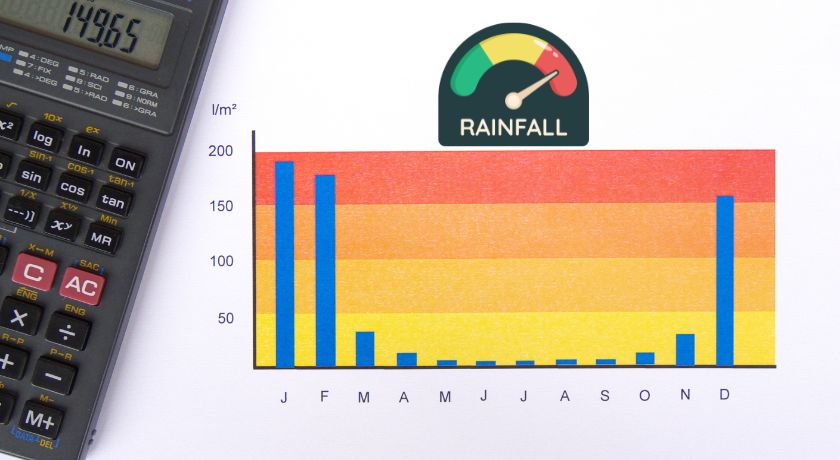
A rainfall calculator is a practical tool that helps you calculate how much rain falls on a given area over a specific period. By using rainfall data, roof size, and roofing material, you can estimate how many gallons of rainwater you could collect from your roof.
Read more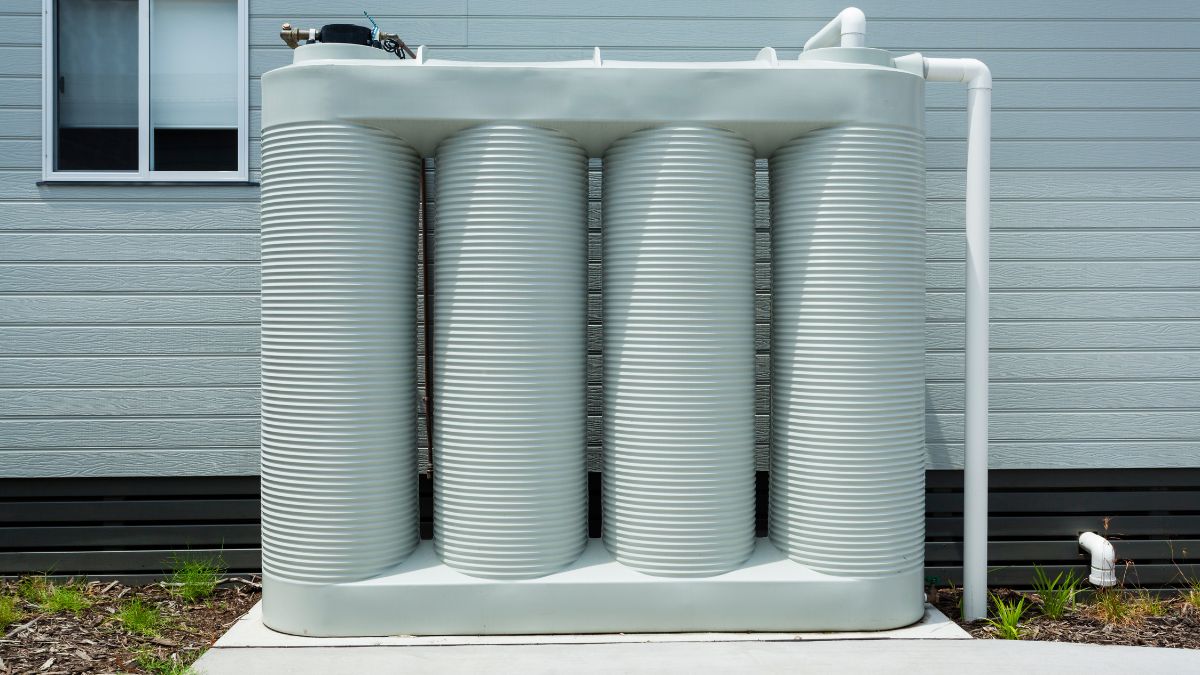
No, collecting rainwater is not illegal in itself. Many people collect water from roofs for irrigation and other purposes, but local rules can affect how the water may be stored and used.
Read more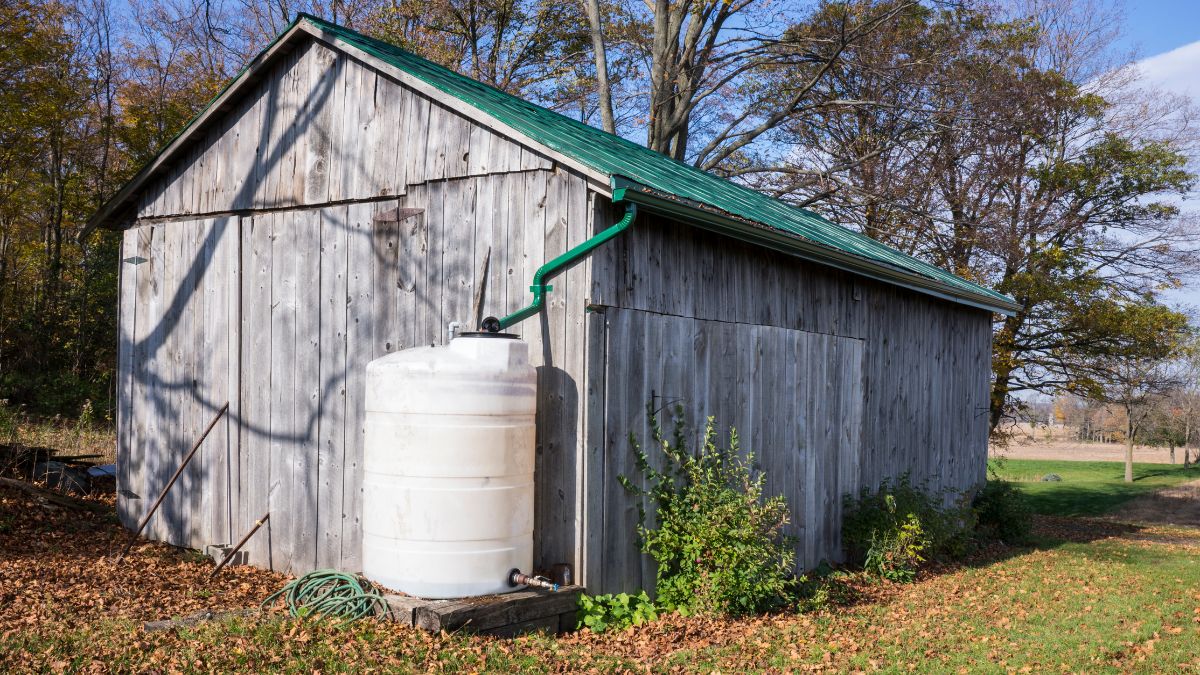
Rainwater filtration helps reduce dirt, particles, and other contaminants before the water is stored or used. The filtration needed depends on the roof, the intended use, and how the system is designed.
Read more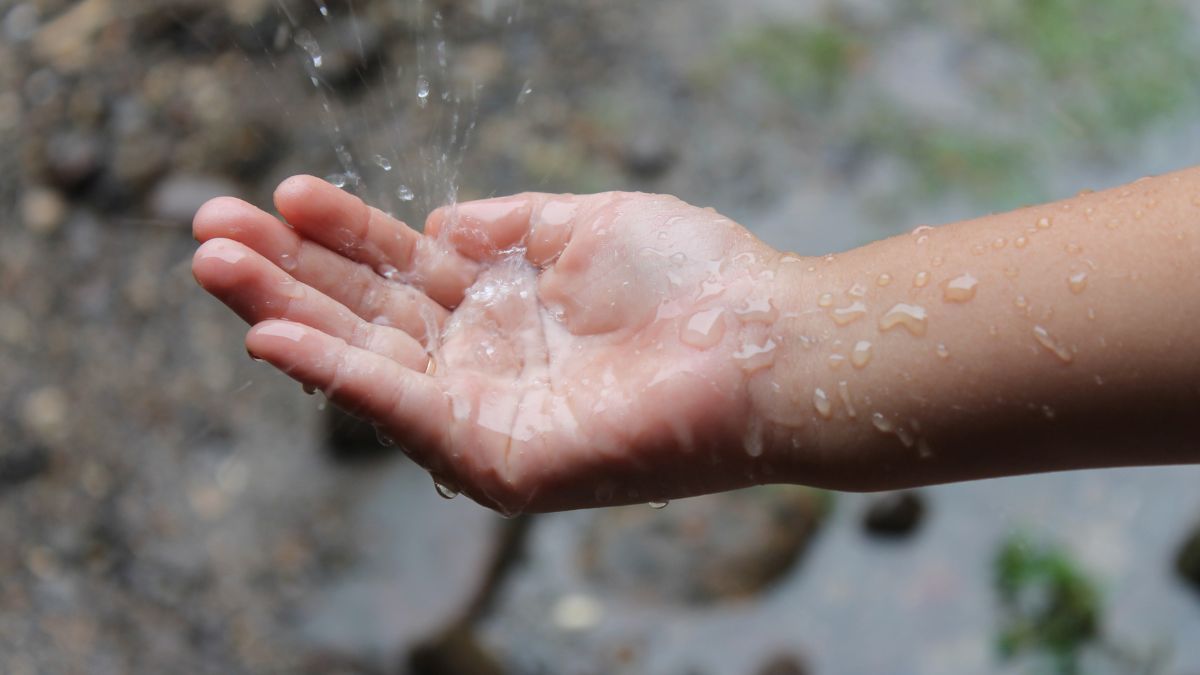
Yes, rainwater can be safe to drink, but water collected from a roof needs to be handled and treated properly before it is used as drinking water. Learn what you should consider.
Read more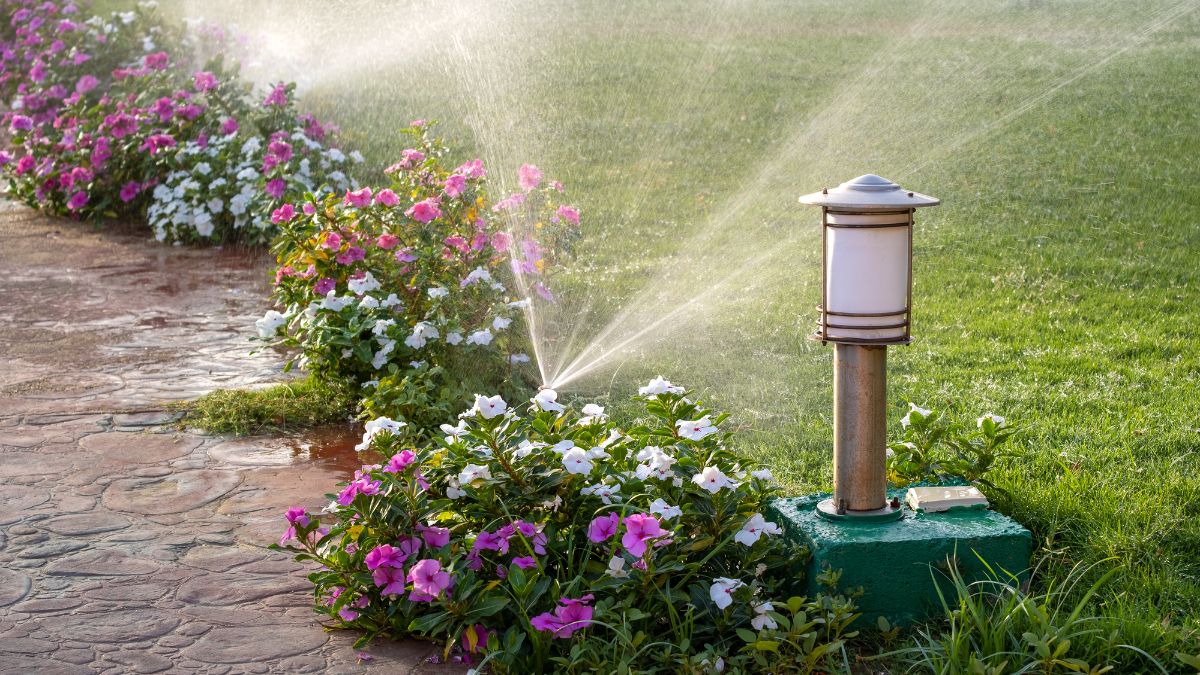
Collecting rainwater for garden watering is a smart way to make use of the water that already falls on your roof. By storing rainwater from wetter periods, you can use it later when your garden needs extra water.
Read more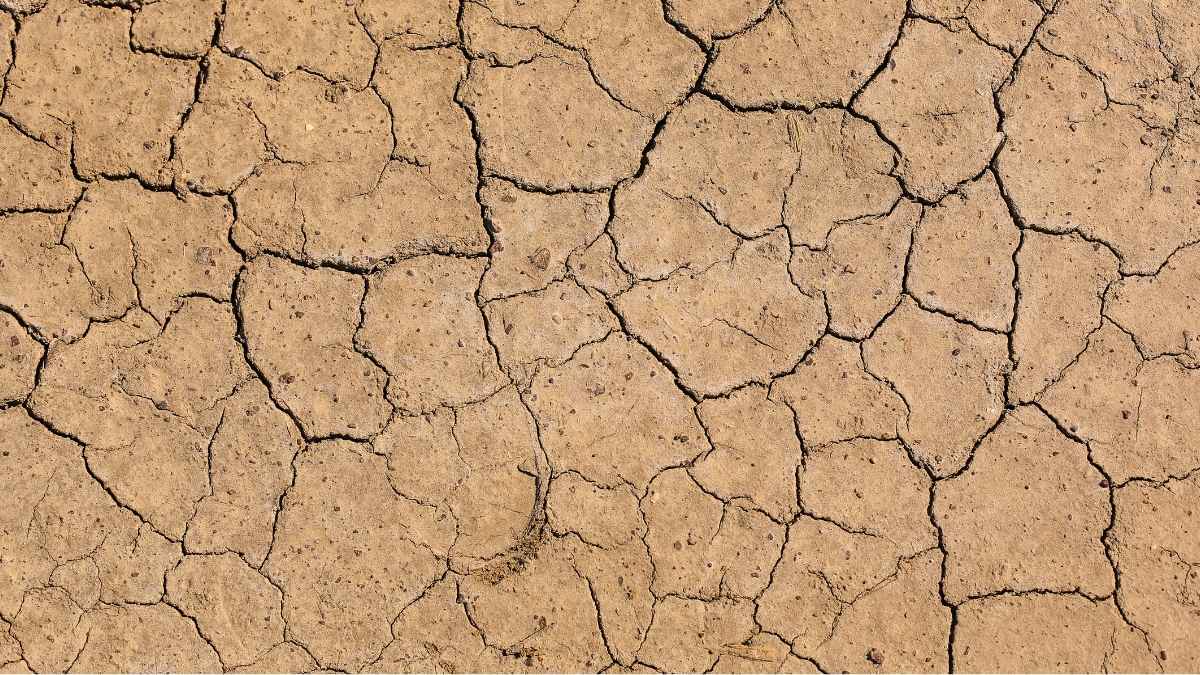
Water scarcity can occur when the available water supply is not enough for households, agriculture, ecosystems, and other needs. The problem can be temporary or long-term and is influenced by factors such as precipitation, temperature, groundwater levels, and how much water is used. By understanding the causes and planning water use, you can be better prepared.
Read more