Rainwater filtration – how it works
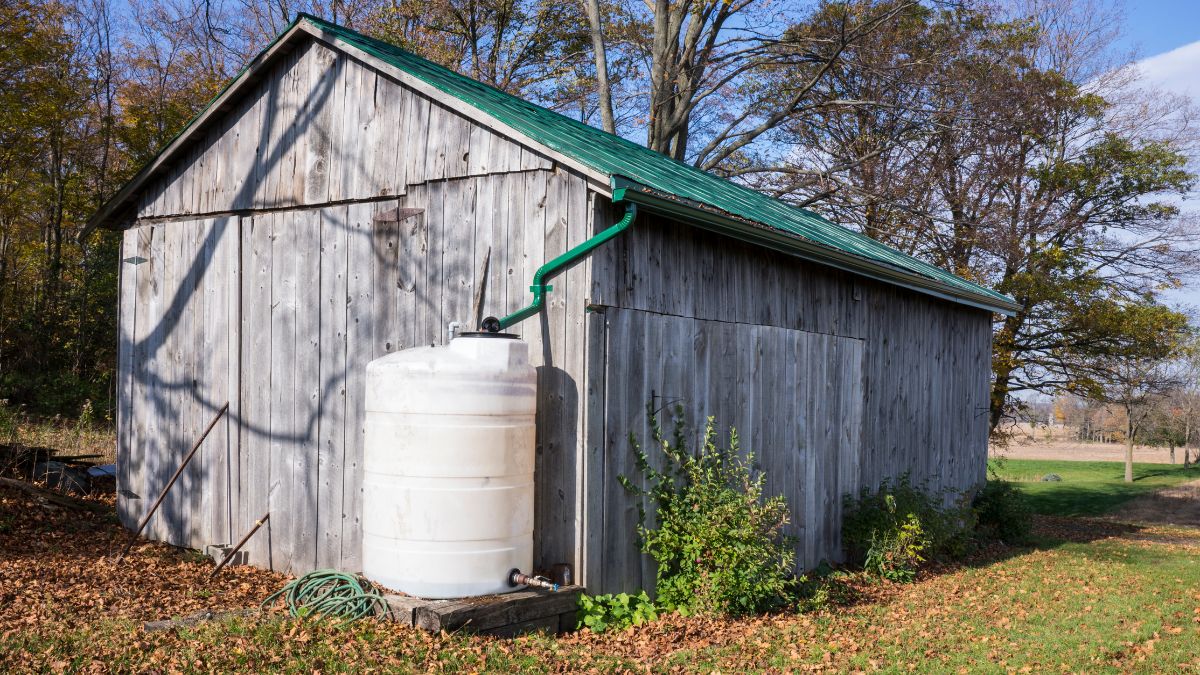
Rainwater filtration helps reduce dirt, particles, and other contaminants before the water is stored or used. The filtration needed depends on the roof, the intended use, and how the system is designed.
Why does rainwater need to be filtered?
Rainwater collected from a roof can pick up dust, pollen, leaves, small particles, bird droppings, and other debris on its way to the tank.
Filtration is therefore an important part of a rainwater collection system. How much treatment is needed depends mainly on what the water will be used for.
RainTact shows how much water your roof can collect
Before choosing a filter and tank, it is useful to know how much rainwater can actually be collected.
With RainTact, you enter the location, roof area, and roofing material. RainTact uses historical precipitation data together with its own calculation engine and shows how much rainwater the roof can collect during the year and in different months.
This provides a better basis when planning the entire system.
Filtration starts with larger particles
The first step is usually to prevent larger materials from being carried along with the water.
This can include:
- leaves
- twigs
- insects
- larger dirt particles
- material from the roof and gutters
A coarser filter reduces the amount of debris reaching the tank and makes the rest of the system easier to maintain.
Finer filters handle smaller particles
After coarse filtration, the water can pass through finer filters.
These are used to capture smaller particles that were not stopped earlier in the system.
The filter size required depends on how clean the water needs to be and what it will be used for.
Filters can be installed near the tank
Much of the filtration can be built directly into the rainwater system.
Filters can be placed before, at, or after the tank depending on the system design. This allows the water to be filtered automatically whenever new rainwater is collected.
This reduces the need for manual handling.
The tank is also important for water quality
A good filter helps a great deal, but storage itself also affects the water.
The tank should be protected from:
- dirt
- animals
- direct sunlight
- material that could fall into the water
The filter and tank should therefore be considered parts of the same system.
Different uses require different filtration
Rainwater used for garden irrigation normally does not need to be treated in the same way as water intended for more sensitive uses.
The higher the required water quality, the more treatment stages may be needed.
If rainwater is to be used as drinking water, a standard particle filter is not enough. Microorganisms and other possible contaminants also need to be addressed, and the water quality needs to be checked.
Filters need maintenance
Even an automatic system needs to be checked from time to time.
Filters that collect dirt become loaded over time and need to be cleaned or replaced. How often this is required depends on factors such as the condition of the roof, the amount of rain, and how much material enters the system.
Regular checks help the system continue to work effectively.