A guide to rain barrels
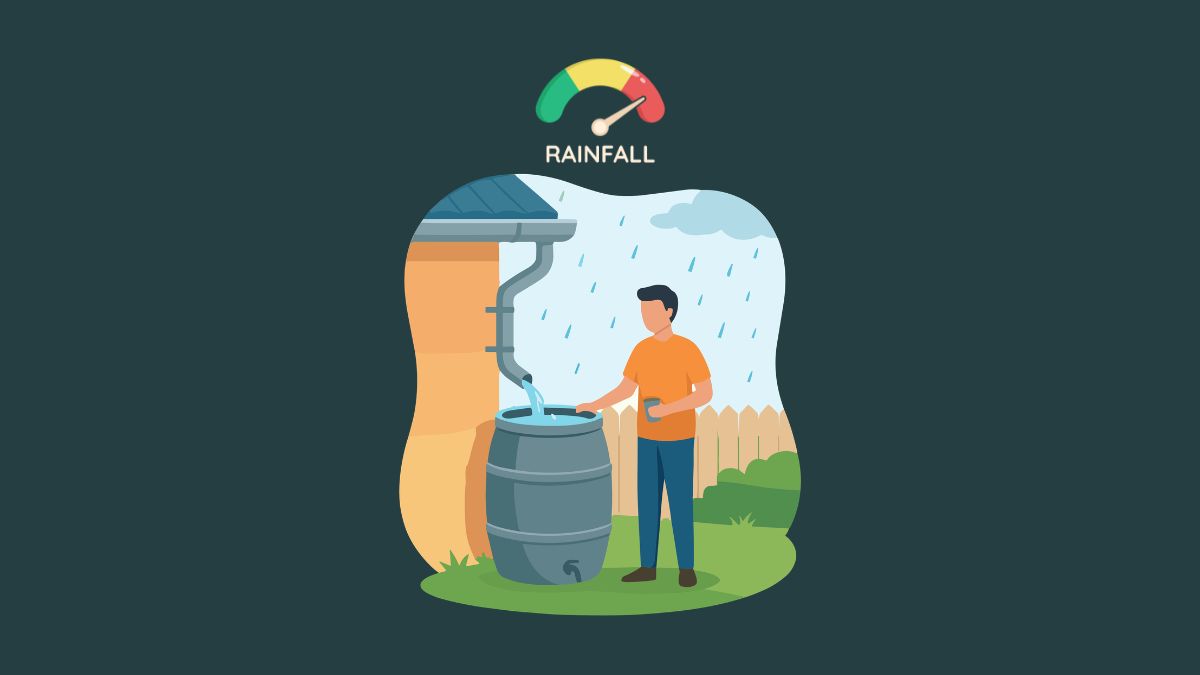
A rain barrel is a simple and practical way to collect rainwater from your roof and use it to water your garden. Making use of rainwater helps you reduce your use of drinking water and save money at the same time.
Rain barrels come in a range of sizes, colors, and styles. The best model for you depends on how much water you use, the size of your garden, and where you want to put it.
Why use a rain barrel?
One of the biggest advantages of a rain barrel is that you can collect water that would otherwise drain away through the downspouts. You can then use it to water flowers, shrubs, crops, and other garden plants.
Rainwater is also naturally soft and usually contains very little lime. This makes it suitable for many plants, particularly varieties that prefer water with a low lime content.
A rain barrel also lets you save water for drier days when your garden needs extra watering.
What size rain barrel should you choose?
When choosing a rain barrel, it is important to consider how much water you need and how often you use it.
A smaller rain barrel holding around 100–200 liters can be a good choice if you have a small garden or mainly water flowers and potted plants. If you use the water regularly, a smaller model may be sufficient, as it refills when it rains.
If you have a larger garden or want to store water for longer dry spells, a rain barrel holding 300 liters or more may be a better option.
Where should you put your rain barrel?
Ideally, position your rain barrel close to a downspout so that rainwater can easily be directed into it. The base should be level and stable, as a full rain barrel can weigh several hundred kilograms.
Also make sure the position is convenient for filling a watering can or connecting a garden hose.
If space is limited, slimline models can be placed along the house wall without taking up too much room.
Choose a rain barrel that suits your garden
A rain barrel can be both practical and in keeping with the look of your garden. There are many different designs and colors to choose from.
For a discreet look, choose a rain barrel that matches your home’s exterior. Decorative models are also available that resemble wooden barrels, stone, or large planters.
This allows you to combine practical rainwater collection with a design that suits your garden.
How to install a rain barrel
Installing a rain barrel is usually straightforward. Place it on a stable base near a downspout and fit a rainwater diverter to direct water from the downspout into the barrel.
It is a good idea to choose a setup with overflow protection so that excess water can be diverted when the rain barrel is full.
Also check that it has a lid to protect the water from leaves, dirt, and insects.
Rain barrel maintenance
To keep the water as clean as possible, clean your rain barrel regularly. Remove any leaves and dirt that collect in the water and check that the spigot and connections work properly.
Many rain barrels need to be emptied before winter to prevent frost damage. Always follow the manufacturer’s recommendations.
A rain barrel is a smart investment
A rain barrel makes it easy to collect rainwater and use it when your garden needs watering. You reduce your consumption of drinking water while gaining a practical water reserve.
By choosing the right size, position, and design, you can find a rain barrel that suits both your needs and your garden.