What to consider when buying a rainwater tank
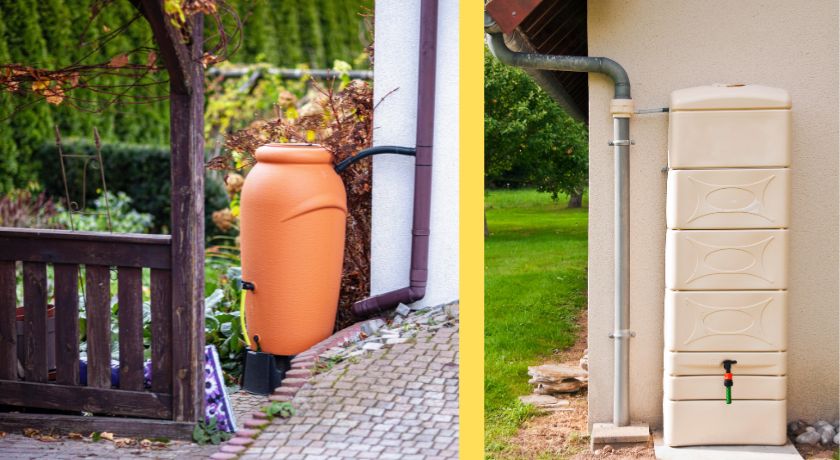
Collecting rainwater is a smart way to reduce water consumption and make use of natural resources. With a rainwater tank, you can easily collect water from your roof and use it to water your garden, flowers, and crops.
But which rainwater tank should you choose? There are several things to consider before buying a tank, including its size, where to position it, and how often you use rainwater.
How often do you use rainwater?
One of the most important questions is how often you plan to use the collected rainwater. If you regularly water flowers and small growing areas, a smaller rainwater tank may be sufficient, as you use the water continually and the tank can refill when it rains.
If, on the other hand, you use large amounts of water or want to store rainwater for longer dry spells, a larger tank may be a better option. This gives you a greater reserve of water when there is no rain.
Choose the right size of rainwater tank
Rainwater tanks come in many different sizes. The most suitable capacity depends on how much water you need and the size of the area you want to water.
Small rainwater tank
A smaller tank holding around 100–300 liters is suitable for small gardens, flowers, and basic watering needs. It takes up little space and is often easy to install next to a downspout.
Medium-sized rainwater tank
A tank holding around 300–1,000 liters is suitable if you have a larger garden, raised beds, or several flower beds that need watering. It gives you more capacity to store water between periods of rain.
Large rainwater tank
Larger tanks holding 1,000 liters or more are suitable for extensive watering and households with higher garden water requirements. They need more space but can collect significantly larger quantities of rainwater.
Consider where to position the rainwater tank
The position matters both for everyday use and installation. Most rainwater tanks are placed close to a downspout to make it easy to collect rainwater from the roof.
Make sure the tank stands on a level, stable base that is strong enough to support its weight. A full tank can be very heavy, especially if it holds several hundred liters.
Also make sure you can easily reach the spigot to fill a watering can or connect a hose. If space is limited, a slimline rainwater tank can be a good option.
Choose a rainwater tank that suits your home’s design
Rainwater tanks come in a range of colors, shapes, and designs. This makes it easy to choose a model that complements your home’s exterior or the look of your garden.
If you want the rainwater tank to blend into its surroundings, choose a subtle color that matches the house. Decorative rainwater tanks are also available in designs that resemble stone, wood, or large planters. This allows the tank to become a natural part of the garden while serving a practical purpose.
How much rainwater can you collect?
How quickly a rainwater tank fills depends on factors such as the size of your roof and how much it rains. A larger roof can collect significantly more water than a smaller one.
If you have a large roof area, it may therefore be worth investing in a larger tank. Bear in mind, however, that a large tank is not always the best choice if you use very little water.
Choose the right material and accessories
Rainwater tanks are usually made of plastic and are available in a variety of shapes and styles. Consider choosing a model with a lid to reduce the risk of leaves, dirt, and insects getting into the water.
It is also worth checking that the tank has a practical spigot and a hose connection. A rainwater diverter with a filter and overflow protection can make installation easier and help divert excess water when the tank is full.
Prepare for winter
If your rainwater tank is kept outdoors, check how it should be managed during winter. Many models need to be emptied before temperatures drop below freezing to prevent damage when the water freezes and expands.
Always follow the manufacturer’s recommendations for winter storage and maintenance.
Which rainwater tank should you choose?
When buying a rainwater tank, it is important to base your choice on your own needs. A smaller tank can go a long way if you use the water often and it rains regularly. If you want to store larger quantities of water for dry periods, however, a larger model may be more suitable.
By choosing the right size, position, and accessories, you get a practical solution that makes it easy to collect rainwater and use it in your garden for years to come.