Roof drains – how they work, maintenance, and everything you need to know
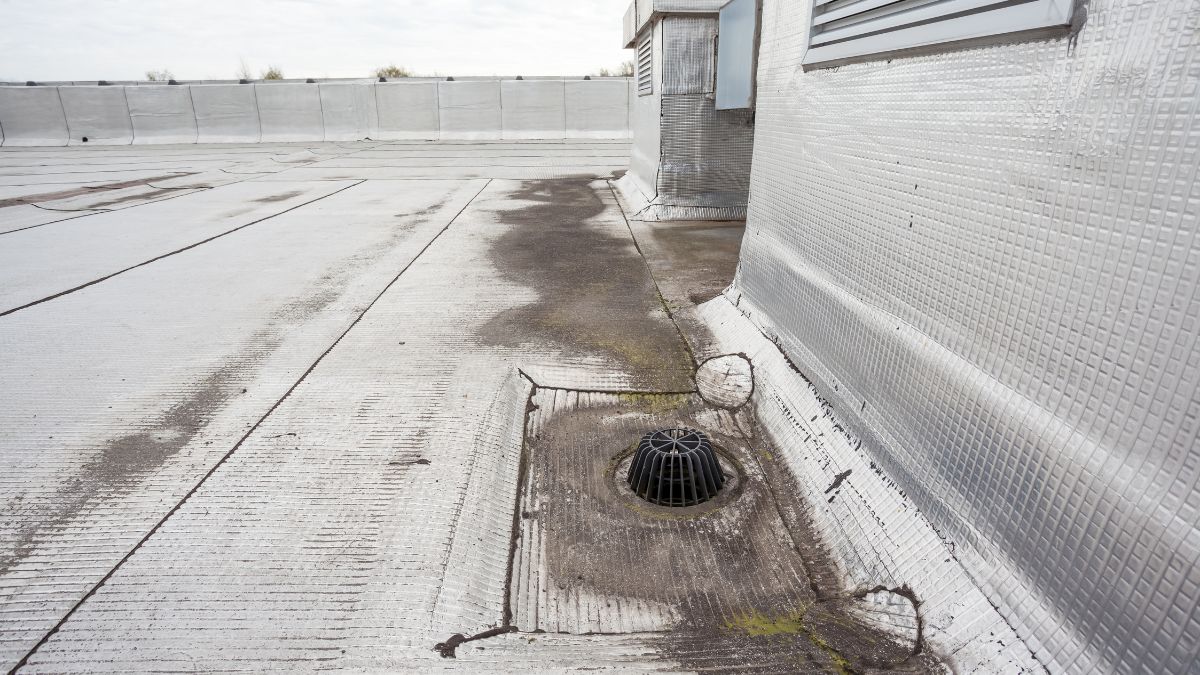
A roof drain is an essential part of a roof drainage system, helping remove rainwater and melting snow. On flat and low-slope roofs in particular, roof drains play a critical role in preventing standing water, moisture damage, and leaks. But how does a roof drain work, when should it be cleaned, and what should you consider during installation?
What is a roof drain?
A roof drain is a device that collects and removes water from a roof surface. It's primarily used on flat and low-slope roofs, where rainwater cannot run off as easily as it does on a traditional pitched roof.
A roof drain is typically installed at a low point on the roof and connected to a drainage system that carries the water away. This helps reduce the risk of water pooling on the roof.
How does a roof drain work?
When it rains or snow melts, the slope of the roof directs water toward the roof drain. From there, the water flows through connected pipes and drainage lines.
For the system to work effectively, the roof drain must be properly sized, correctly installed, and kept free of debris. Many roof drains also have leaf strainers or debris guards that prevent leaves, twigs, and other materials from clogging the drain.
Why is a properly functioning roof drain important?
A roof drain that isn't working properly can cause several problems. If water cannot drain away, it may accumulate on the roof surface and put additional stress on the roof structure.
Standing water can also increase the risk of moisture entering through seams and other vulnerable areas of the roof.
An effective roof drainage system helps to:
- Reduce the risk of water pooling on the roof.
- Prevent moisture problems and water damage.
- Protect the roof membrane and underlying structure.
- Extend the lifespan of the roof.
Cleaning and maintaining roof drains
Regular maintenance is essential to keep a roof drain working properly. Leaves, dirt, and other debris can collect around the drain and restrict water flow.
It's especially important to inspect roof drains in the spring and fall, when snowmelt and fallen leaves can interfere with drainage.
During an inspection, make sure the leaf strainer is clean, water can drain freely, and there are no visible signs of damage around the drain.
When should a roof drain be replaced?
Roof drains can wear out or become damaged over time. Rust, cracks, leaking connections, and recurring drainage problems may indicate that a drain needs repair or replacement.
When replacing or renovating a roof, it's also a good idea to inspect the roof drain and make sure it's compatible with the new roofing membrane.
Roof drain replacement and installation should be performed by qualified professionals to ensure a proper, watertight connection to the roof membrane.
Roof drain installation – what should you consider?
Proper installation is essential for safe and effective roof drainage. Important factors to consider include the roof slope, drainage area, drain capacity, and how the drain connects to the roofing membrane.
Overflow drains may also be needed to carry water away if the primary drainage system becomes blocked.
Choosing the right drainage solution and ensuring professional installation can help reduce the risk of future water damage.
Keep your roof drainage system working properly
Roof drains play a critical role on flat and low-slope roofs. By collecting and removing rainwater, they help protect buildings from moisture, leaks, and other water-related damage.
With regular cleaning, inspections, and proper maintenance, a roof drain can continue working effectively for many years.