Rainwater for animals – collection, uses, and benefits
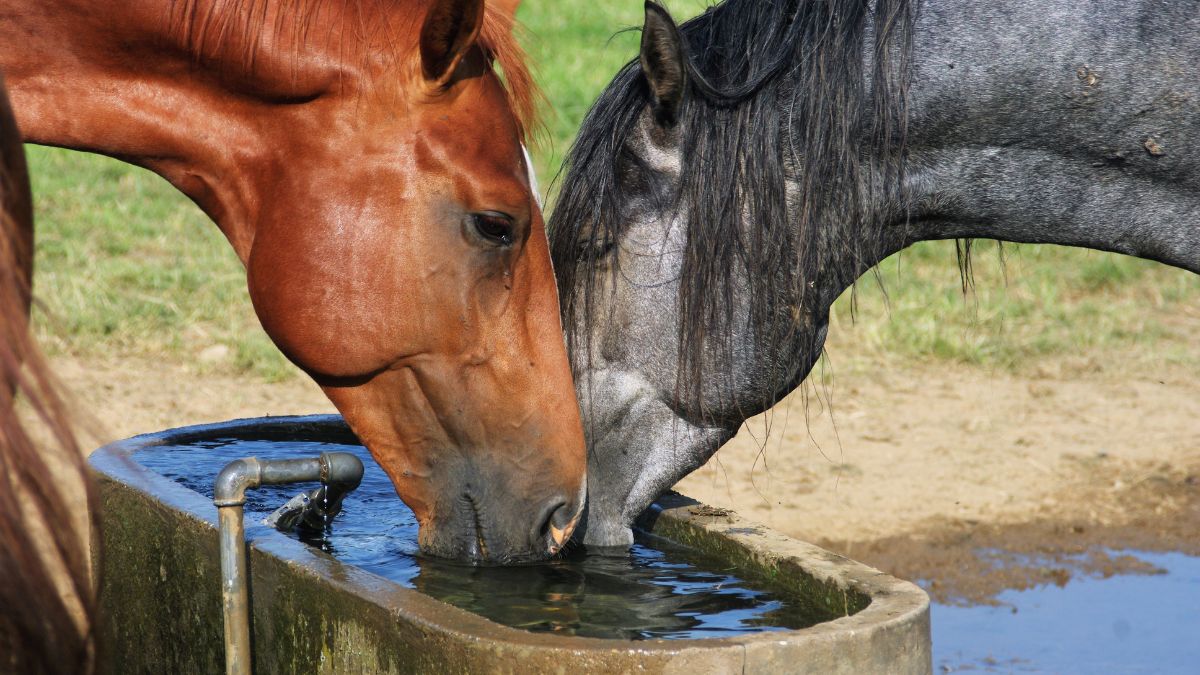
Rainwater can be a valuable resource if you raise chickens, horses, sheep, goats, or other farm animals. By collecting rainwater from rooftops, you can make use of rainfall and supplement your farm's water supply. With the right collection system, storage methods, and water quality, rainwater can serve several purposes in livestock care. But which animals can drink rainwater, and what should you consider? Here's how rainwater can be collected, stored, and used.
Can animals drink rainwater?
Yes, several types of animals can drink rainwater, provided the water is of suitable quality for them. Rain is a natural part of the water cycle, and many animals drink from a variety of natural water sources.
If you raise animals, water quality is the most important factor in determining whether collected rainwater is suitable for drinking.
Rainwater collected directly from rainfall may have different characteristics than water that has flowed over a roof and through gutters. During collection, the water can come into contact with dirt, organic material, and other substances.
That's why it's important to check water quality before using collected rainwater as drinking water. Filtration, treatment, and water testing may be necessary.
Rainwater for chickens and other poultry
If you raise chickens, ducks, or geese, rainwater collection can be a practical way to make use of rainfall.
For example, a chicken coop equipped with gutters and downspouts can be connected to a rain barrel or a smaller water storage tank. The collected water can then be used for appropriate purposes when caring for poultry.
If the rainwater will be used for drinking, its quality must be verified. Chickens need good-quality water, and keeping drinking-water containers clean is especially important.
Automatic poultry waterers and drinking containers should be cleaned regularly to prevent feed residue, dirt, and other contaminants from accumulating.
During hot summer days, water levels should also be checked more frequently because chickens may need more water as temperatures rise.
Rainwater for horses
Horses need enough water every day to stay healthy. Their water requirements vary depending on factors such as the horse's size, diet, activity level, and outdoor temperature.
Horse properties often have large roof areas on stables, indoor riding arenas, and other farm buildings. These rooftops can provide excellent opportunities for rainwater collection.
With a suitable system, rainwater can be directed from gutters and downspouts into a larger storage tank.
Before using rainwater as drinking water for horses, it's important to make sure the water is of suitable quality. Horses can be sensitive to changes in the smell and taste of water, which may affect how much they drink.
Collected rainwater can also be used for other tasks around a horse property, such as cleaning certain outdoor surfaces and watering plants.
Rainwater for sheep and goats
If you raise sheep or goats, rainwater can supplement your farm's existing water supply.
Sheep and goats need good-quality water, and their requirements are influenced by factors such as feed, temperature, pregnancy, and milk production.
On smaller farms, rainwater can be collected from the roofs of barns, storage sheds, and other agricultural buildings.
The collected water can be stored in suitable containers and used when its quality meets the requirements of its intended purpose.
If rainwater is used to fill drinking troughs, both the water and the troughs need to be checked regularly. Containers should be easy to clean and positioned so animals can drink without unnecessarily contaminating the water.
Rainwater for cattle
Cattle can require large amounts of water, especially during hot weather or periods of high milk production. Water consumption can therefore be substantial on farms with many animals.
Collecting rainwater from cattle barns and larger agricultural buildings can help farms use their water resources more efficiently.
Large roof areas make it possible to collect significant amounts of rainfall, which can then be stored in suitable tanks or cisterns.
If rainwater will be used for drinking, its quality needs to be checked and any necessary treatment adjusted to meet the requirements. Rainwater can also be used for cleaning machinery and other tasks that don't require drinking-water quality.
On larger farms, it's especially important to plan the water supply around the animals' daily needs and maintain access to a reliable water source during periods of low rainfall.
How to collect rainwater for animals
One of the easiest ways to collect rainwater is to use a roof's existing drainage system.
When it rains, water flows from the roof into the gutters and through the downspouts. By connecting a rainwater collection system, the water can be directed into a rain barrel, storage tank, or cistern.
The size and complexity of the system depend on the roof area, local rainfall, and the amount of water needed.
A typical rainwater harvesting system may include:
- Gutters: Collect rainwater flowing off the roof.
- Downspouts: Direct water from the gutters to the collection system.
- Leaf guards: Prevent large leaves and debris from entering the water.
- First-flush diverter: Diverts the initial roof runoff, which may contain accumulated dirt and contaminants.
- Rainwater storage tank: Collects and stores water until it's needed.
- Filters and any necessary treatment: Selected based on the water quality required for the intended use.
For small-scale livestock or poultry operations, a rain barrel may be sufficient for certain purposes. Larger farms may need higher-capacity storage tanks.
Is rainwater collected from roofs suitable for animals?
Roofs are convenient surfaces for collecting rainwater because they're already designed to direct rainfall away. However, roofing materials and the condition of the roof can affect water quality.
As rainwater flows over a roof, it may pick up dust, leaves, bird droppings, and other contaminants. Some roofing materials and surface treatments may also release substances into the water.
That's why it's important to identify the roofing material before planning to use roof runoff as drinking water for animals.
Keeping gutters and downspouts clean is also important. A well-maintained drainage system reduces the amount of debris that enters the storage tank.
If the water will be used for drinking, the need for water testing and treatment must also be evaluated.
How should rainwater for animals be stored?
Proper storage plays an important role in maintaining the quality of collected rainwater.
A rainwater storage tank should be made from a material suitable for its intended use that won't negatively affect water quality. The container should also be easy to inspect and clean.
A closed tank is preferable because it helps keep leaves, insects, and other debris out of the water.
Placement matters, too. Whenever possible, the tank should be kept in a cool location and protected from direct sunlight, since warm water can encourage the growth of microorganisms.
Freezing temperatures also need to be considered during winter. Frozen water can damage storage containers, pipes, and connections.
If the water will be used for drinking over extended periods, procedures are needed for inspection, cleaning, and any necessary treatment.
What are the benefits of collecting rainwater for livestock?
Collecting rainwater can offer several practical benefits, especially on farms with large roof areas.
One major advantage is the opportunity to reduce the use of municipal water or well water for tasks where collected rainwater is suitable.
Rainwater harvesting can also be part of a more carefully planned water supply system, with different water sources used for different purposes.
On farms with chicken coops, stables, and livestock barns, existing gutters and downspouts can be used to collect water that would otherwise drain away.
The amount of money saved depends on factors such as rainfall, storage capacity, installation costs, and how the water is used.
Rainwater as part of a farm's water supply
Rainwater can be a useful resource for both small and large livestock operations. By collecting rainfall from stables, barns, and other buildings, farms can make use of water that would otherwise flow into the ground or stormwater drainage system.
For the system to work well, collection methods, storage, and water quality must be appropriate for the intended use. When rainwater is used for drinking, it's especially important that it meets the animals' needs.
With proper planning and regular maintenance, rainwater harvesting can become a practical supplement to a farm's existing water supply and help make more efficient use of water resources.