Roof Windows – What Should You Know Before Installation?
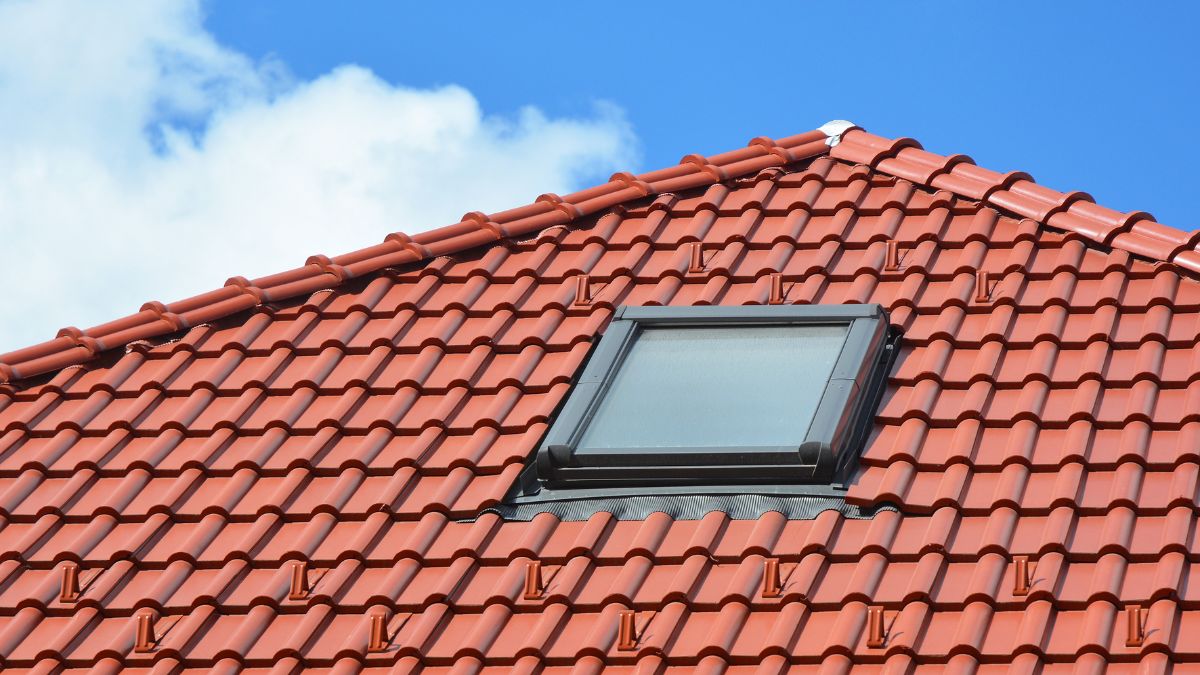
Roof windows are an effective way to bring more natural light into your home and create a brighter, more open indoor space. They work especially well on upper floors, in finished attics, and in rooms with sloped ceilings. However, there are several important things to consider before installing a roof window. The roof pitch, window placement, and weather conditions such as rain, snow, and strong winds can all affect performance and durability. Here's what you need to know to choose and install the right roof window.
What is a roof window?
A roof window is a window installed directly into a sloped roof to bring natural daylight into a building. Unlike traditional wall windows, roof windows allow sunlight to enter from above, making them particularly useful in spaces where installing conventional windows may not be practical.
Roof windows come in different sizes, materials, and styles. Some open manually, while others can be operated with electric controls or solar power. Fixed roof windows are also available for bringing in natural light without opening.
The right model depends on several factors, including how the room is used, the roof structure, and whether additional ventilation is needed.
What should you consider before installing roof windows?
Installing roof windows requires careful planning. Since the window becomes part of the roofing system, its placement, weatherproofing, and insulation must work together with the existing roof.
Some key factors to consider include:
- Roof pitch: Not every roof window is designed for the same roof slope.
- Placement: The location of the window affects natural light, ventilation, and exposure to weather.
- Roofing material: Installation methods must be appropriate for materials such as clay tile, concrete tile, or metal roofing.
- Insulation: Proper insulation around the window helps prevent heat loss and condensation.
- Waterproofing: The connection between the window and the roof must protect against water intrusion.
- Roof structure: Installation must not weaken the roof's load-bearing capacity.
It's also wise to check whether a building permit, inspection, or other local approval is required before starting the project.
How does rain affect roof windows?
Rain is one of the most important factors to consider when installing roof windows. Because the window is installed directly into the roof surface, it is exposed to rainfall that must drain away without entering the building structure.
A properly installed roof window is designed to withstand normal rain and direct water away from the opening. However, improperly installed connections, damaged seals, or poor workmanship can lead to leaks.
It's especially important to install the flashing and connections to the roof's waterproofing system according to the manufacturer's instructions.
On low-slope roofs, water may drain more slowly, making it especially important to select a window and installation system rated for that roof pitch.
For operable roof windows, a built-in rain sensor can be a convenient feature. Certain electric and solar-powered models can close automatically when rain begins.
Can strong winds affect roof windows?
Strong winds can affect roof windows, especially on exposed buildings or in areas that experience severe weather.
When wind and rain occur together, water can be driven against the window's edges and surrounding connections. This makes proper sealing and installation particularly important.
Wind can also place additional stress on the window and its mounting hardware. The roof window must therefore be suitable for the building's conditions and installed according to the applicable instructions.
Operable roof windows should remain closed during high winds to reduce the risk of damage to the window and its hardware.
How do snow and ice affect roof windows?
During winter, snow and ice can build up around roof windows, especially on lower-pitched roofs or in areas where snow tends to accumulate.
As snow begins to melt, the meltwater needs a clear drainage path. If ice or packed snow blocks drainage, water may pool around the window.
This can increase the risk of leaks, especially when water is forced against connections that are not designed for prolonged exposure to standing water.
When planning installation, it's important to consider:
- The roof pitch and natural drainage patterns.
- The likelihood of snow accumulating around the window.
- The window's position relative to other roof surfaces.
- Whether the window is suitable for local snow loads and weather conditions.
- Whether melting snow can drain away without obstruction.
During particularly snowy winters, it may also be necessary to check for snow and ice buildup around the roof window. Snow removal from a roof should be performed with appropriate safety equipment and, when necessary, by trained professionals.
How important is roof pitch?
The roof pitch affects which roof windows can be installed and how water drains away from the window.
Rainwater generally drains faster on steeper roofs. On low-slope roofs, choosing a window and installation system approved for the specific pitch becomes especially important.
Standard roof windows for sloped roofs typically have a specified range of approved roof pitches. Flat roofs require specially designed products, such as domed roof windows or other roof glazing systems.
Always check the manufacturer's installation requirements before selecting a window.
Where should a roof window be installed?
Window placement affects both the amount of natural light entering the room and how the roof window performs in everyday use.
A south-facing roof window can provide plenty of sunlight, but it can also increase indoor temperatures during the summer. A north-facing window usually provides more consistent natural light with less direct sun exposure.
The room's purpose also matters. Blackout shades may be important in a bedroom, while a home office may benefit from more daylight during working hours.
Window placement must also account for roof framing, chimneys, roof vents, and other structural components. Avoid locations that interfere with drainage or create areas where unnecessary amounts of snow can collect.
Do roof windows require maintenance?
Like standard windows, roof windows need periodic inspections and maintenance to keep working properly over the long term.
Leaves, branches, and other debris can collect around the window and interfere with drainage. Seals and hardware can also wear out over time.
During maintenance, check that:
- The window opens and closes correctly.
- Seals and hardware are in good condition.
- Water can drain away from the window.
- Flashing is properly installed and securely in place.
- There are no visible signs of moisture or leaks.
Inspections are particularly important after severe storms or periods of heavy snowfall. Areas that are difficult to reach should be inspected by qualified professionals.
A properly installed roof window provides natural light and peace of mind
Roof windows can make a major difference in how bright and comfortable a home feels. However, it's important to remember that the window is exposed to the same weather conditions as the rest of the roof.
Choosing a roof window that matches the roof pitch, accounting for rain, wind, and snow, and ensuring proper installation can help reduce the risk of future problems.
With routine maintenance and effective seals, a roof window can provide a long-lasting solution that brings in natural light and offers better ventilation options.