How to collect rainwater – a simple guide
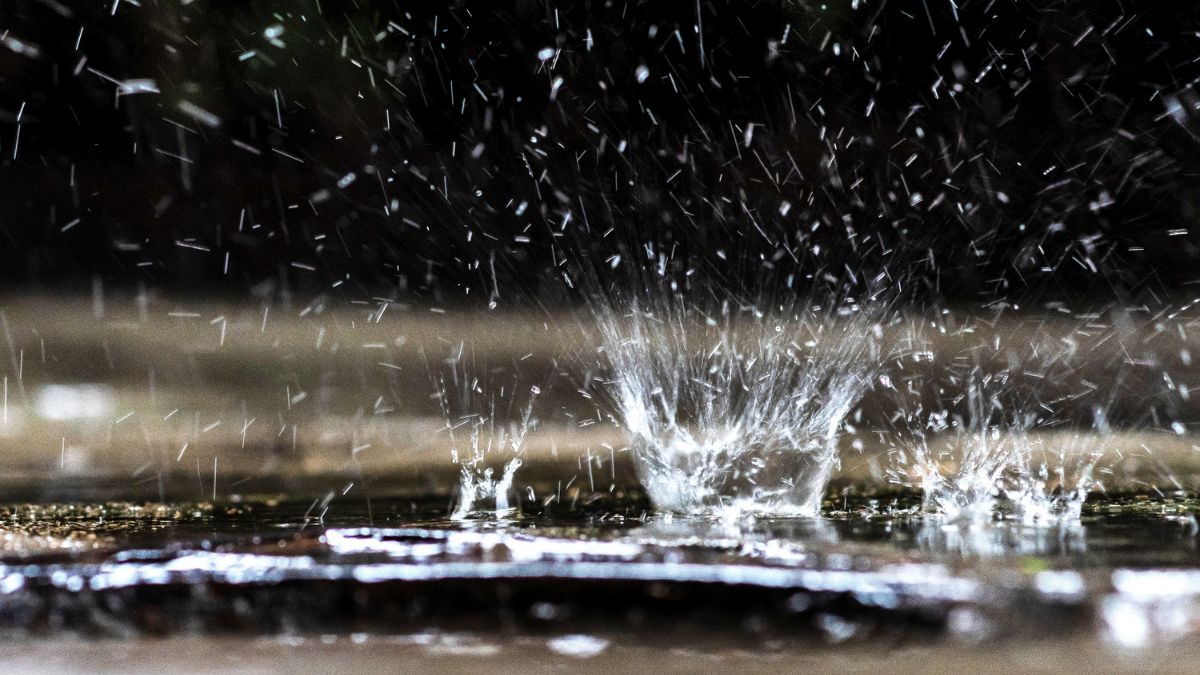
Collecting rainwater is a simple way to make use of water that would otherwise run from your roof into storm drains or the ground. With the right roof area, gutters and storage container, rainwater can be used for garden irrigation and other purposes where drinking water is not needed.
Rain falling on a roof can quickly add up to a large amount of water. By directing water from the roof through gutters and downspouts into a rainwater tank or other container, some of the rainfall can be collected instead of simply draining away.
How much rainwater you can actually collect depends mainly on the size of the roof, the amount of rainfall and the type of roofing material.
How rainwater collection works
The principle is simple. Rain falls on the roof and is directed through the gutters into one or more downspouts. From there, the water can be routed into a container or a larger rainwater tank.
A basic system usually consists of:
- roof area
- gutters
- downspouts
- filter or leaf separator
- rain barrel, rainwater tank or other container
- a way to divert overflow water
For a simple garden system, the installation does not need to be particularly complicated.
How much rainwater can you collect?
One inch of rain falling on one square foot of roof produces approximately 0.62 US gallons of water.
For example, a roof of about 1,075 ft² receiving around 27.6 inches of rainfall during a year receives roughly 18,500 US gallons of rainwater.
However, not all of that water can be collected. Some is lost through evaporation, splashing, debris and the properties of the roofing material.
The roofing material therefore affects how much of the rainwater can actually be collected in practice.
A rainwater calculation can help you estimate the amount based on your own address, roof area and roofing material.
Roofing material affects the result
Smooth roofing materials generally allow a larger proportion of rainwater to run off than more absorbent or uneven materials.
Metal roofs and slate, for example, usually have a high collection rate, while wood shingles can retain more water.
This means that two buildings with the same roof area and the same rainfall can have different potential rainwater yields depending on the roofing material.
Choose the right storage size
It is easy to assume that the largest possible tank is always best, but storage size should be matched to both the available rainfall and how the water will be used.
A smaller rain barrel may be enough for watering a small garden. For larger roof areas or greater water demand, a larger tank may be more suitable.
It is also important to remember that rainfall varies throughout the year. A tank that fills quickly during a wet period may be almost empty during a prolonged dry spell.
For this reason, it is useful to look at rainfall month by month rather than only at the annual total.
Filter the water before it reaches the tank
Leaves, pine needles, moss and other debris can be washed from the roof.
A simple filter or leaf separator fitted to the downspout reduces the amount of debris entering the storage container and makes the system easier to maintain.
The container should also be covered. This reduces the risk of additional debris entering and limits light exposure that could otherwise encourage algae growth.
What can rainwater be used for?
The most common use is garden irrigation.
Rainwater can, for example, be used for:
- watering plants and lawns
- greenhouses and growing areas
- cleaning garden tools
- outdoor cleaning and other purposes where drinking water is not required
More advanced systems can also use rainwater for other purposes, but installations connected to a building's water or wastewater systems may be subject to specific technical requirements and local regulations.
Think about where overflow water will go
Once the tank is full, additional rainfall must be able to drain away in a controlled manner.
The system should therefore have an overflow outlet or another solution that directs excess water to a suitable location.
It is important that the water is not directed in a way that could cause moisture problems around the building foundation or problems on neighboring property.
Start by calculating your own roof
The first step does not have to be buying a tank.
Instead, start by finding out how much water your roof can actually provide.
Using your address, roof area and roofing material, you can estimate how many US gallons of rainwater could potentially be collected during a year and how the amount varies from month to month.
This provides a much better basis for deciding whether rainwater collection is suitable for your property and what type of solution may be appropriate.