Watering plants with rainwater – benefits and tips
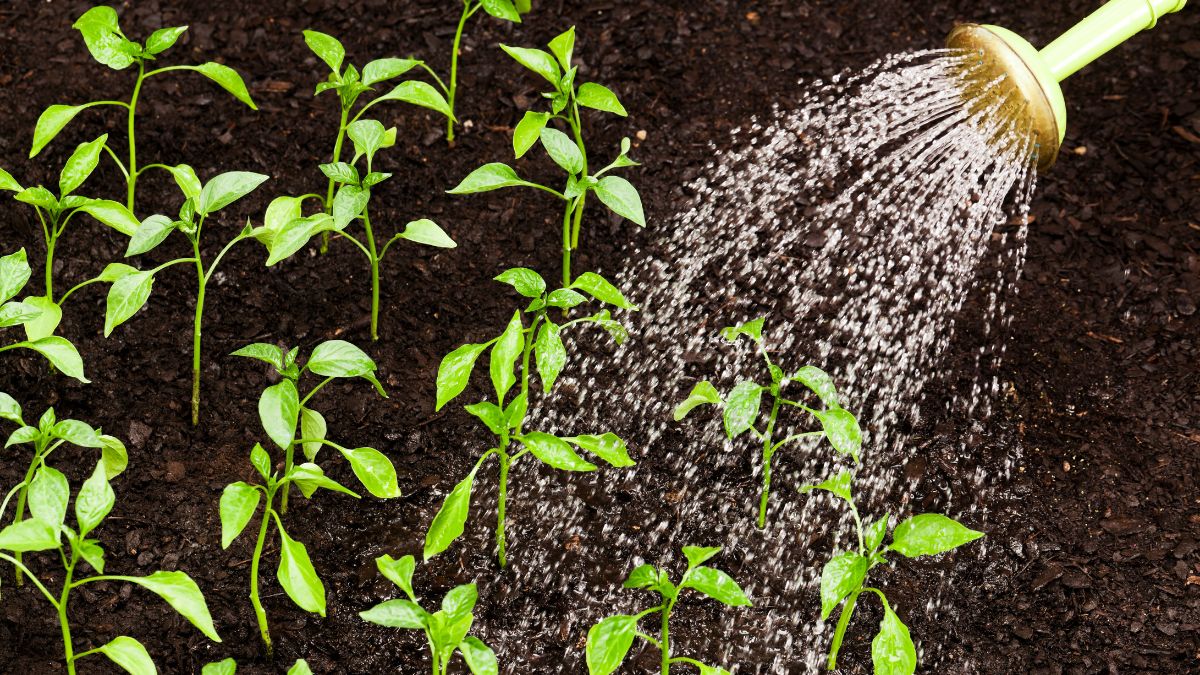
Watering plants with rainwater is an easy way to care for your garden while being kinder to the environment and reducing your use of drinking water. Rainwater is naturally soft and suits many different plants, both indoors and outdoors.
By collecting rainwater in a water butt or rainwater tank, you can save water from rainy days and use it when your plants need extra watering.
Why is rainwater good for plants?
Rainwater has several advantages over ordinary tap water. It usually contains very little lime and is not chlorinated, unlike much of the drinking water supply. This makes rainwater particularly useful for plants that thrive on soft water.
Plants such as rhododendrons, blueberries and certain orchids can benefit from rainwater’s low lime content. Common garden plants, flowers and shrubs can also be watered with collected rainwater.
Another advantage is that stored rainwater is often close to the surrounding temperature, which is generally gentler on plants than very cold tap water.
Save rainwater
During summer, keeping lawns, flower beds and growing areas in good condition can require large amounts of water. A rainwater tank lets you make use of water that would otherwise drain away through the downpipes.
It also gives you an extra water reserve during dry periods when it rains less often.
How to collect rainwater for watering
The easiest way to collect rainwater is to place a water butt or rainwater tank next to your home’s downpipe. A rainwater diverter directs some of the water from the roof into the tank.
For a smaller garden, a water butt holding 100–300 litres may be sufficient. If you have larger growing areas or want to store water for longer periods, a larger tank may be a better option.
Make sure the tank has a lid to protect the water from leaves, dirt and insects. It is also a good idea to have overflow protection that diverts excess water when the tank is full.
Which plants can you water with rainwater?
Rainwater is suitable for most common garden plants. You can use it for flowers, shrubs, lawns and many different types of planting.
Plants that prefer more acidic soil and are sensitive to lime can particularly benefit from rainwater. Examples include rhododendrons, azaleas and blueberry bushes.
Rainwater can also be used for indoor houseplants, provided it is clean and has not been contaminated during collection.
Things to consider when watering with rainwater
For the best results, water early in the morning or in the evening, when evaporation is lower. Try to water directly onto the soil so the water reaches the plants’ roots.
Also consider where the rainwater is collected from. Water from roofs can contain dirt, metals and other contaminants, depending on the roofing material and surroundings. Take extra care with rainwater collected from unsuitable roofing materials, particularly when watering edible plants.
Clean the rainwater tank regularly and avoid letting dirt build up at the bottom.
A smart solution for the garden
Watering with rainwater is an easy way to use water more sustainably. You conserve drinking water, can reduce your water bills and gain access to soft water that suits many plants.
With a rainwater tank, you can easily collect rainwater and use it when your garden needs watering. It is a practical solution for gardens both large and small.