Slate – different types, properties and uses
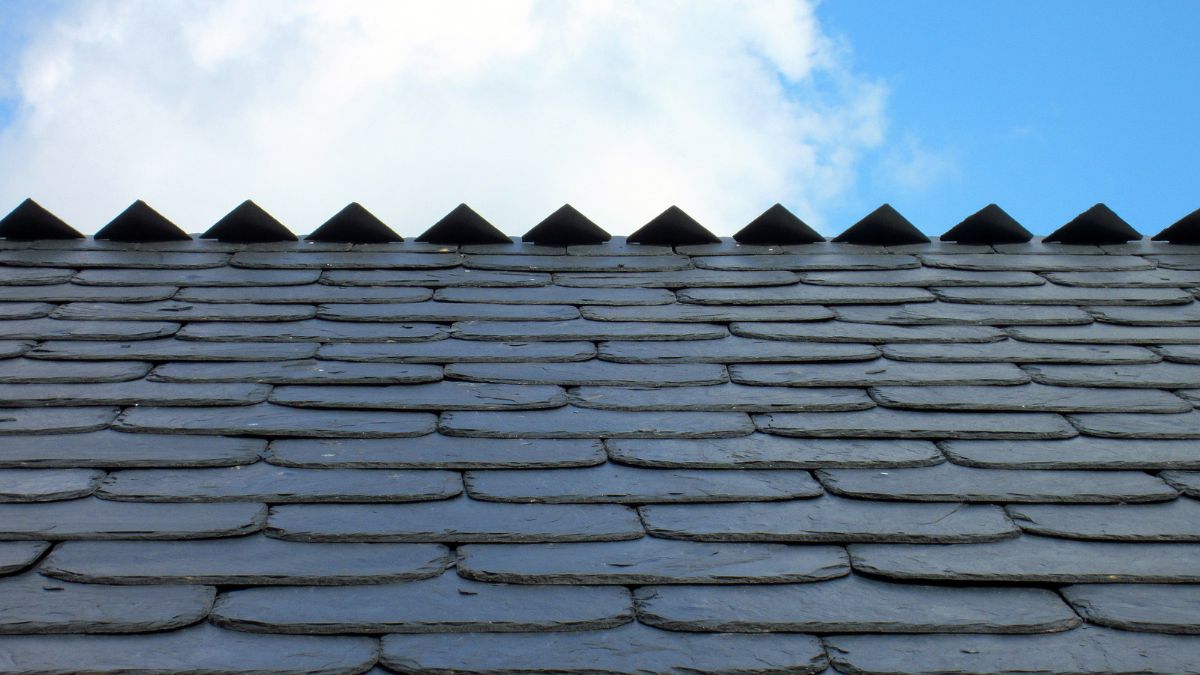
Slate is a natural stone material that has been used in construction for hundreds of years. With its distinctive structure, exceptional durability and timeless appearance, slate is a popular choice for roofs, façades, floors and gardens. However, there are several types of slate with different properties and applications. Here, we explore the most common varieties, their advantages and what to consider when choosing slate.
What is slate?
Slate is a broad term for rocks with a distinct layered structure that allows them to be split into relatively thin slabs. The material occurs naturally in bedrock and has formed through geological processes over extremely long periods.
Depending on the rock's origin and mineral composition, slate can vary in colour, hardness, texture and resistance to wear. Some varieties have a smooth, fine-grained surface, while others are coarser and contain visible minerals such as mica and quartz.
Slate occurs in several colours, including black, grey, green and shades of brown. This natural variation gives each slate tile a unique appearance.
Different types of slate
There are several varieties of slate and related layered rocks that differ both geologically and in their applications within construction. Some are particularly well suited to roofing, while others are mainly used for paving, façades and interior finishes.
Clay slate
Clay slate is a fine-grained rock formed from deposited clay sediments. It is usually dark grey or black, with a relatively smooth, matt surface.
Historically, clay slate has been widely used as a roofing material because suitable grades can be split into thin stone tiles. It is also used for other building details.
Its properties vary between deposits, and clay slate is generally softer than quartzite slate. It is therefore important to select a grade suited to the intended application.
Mica schist
Mica schist is a metamorphic rock containing mica minerals. These minerals give the stone its characteristic sheen and a surface whose appearance can change depending on the lighting conditions.
Mica schist occurs in various shades of grey and has a long history as a building material. In Sweden, slate from Glava in Värmland is a well-known example of mica schist used for roofing.
The natural layering of the material means that certain grades can be split into slabs for roofs and façades.
Quartzite slate
Quartzite slate is a hard, durable type of layered stone with a high quartz content. The material offers good resistance to mechanical wear and is often used in places where stone surfaces are exposed to considerable stress.
Its naturally split surface usually has a pronounced texture, which can help improve slip resistance.
Quartzite slate is used for walkways, patios, steps, floors and façades, among other applications. Certain varieties are also used as roofing material. Offerdal slate from Jämtland is a well-known Swedish example of quartzite slate.
Phyllite
Phyllite is a metamorphic rock formed through the transformation of clay-rich rocks. It is usually fine-grained and is characterised by a silky sheen on its layered surfaces.
Phyllite can be used as natural stone in construction, but its suitability depends on the stone's quality, strength and ability to be split.
As with other types of slate, the material's properties must be assessed before it is used for applications such as roofing or paving.
Alum shale
Alum shale is a dark sedimentary rock containing organic matter and various minerals. In Sweden, it occurs in parts of Skåne, Västergötland, Östergötland and Närke.
Unlike traditional roofing slate, alum shale is not commonly used as a roofing material. The rock is mainly of geological and industrial interest.
Alum shale can contain substances that require special consideration during extraction and handling.
Oil shale
Oil shale is a sedimentary rock containing organic material that can be processed under specific conditions to produce oil.
It differs from the types of slate normally used in construction and is primarily of interest as a geological and energy-related resource.
Oil shale is therefore not used as a traditional roofing or façade material.
What is slate used for?
Slate is a versatile natural material used in many areas of building and landscaping. The most suitable application depends on the properties, thickness and processing of the particular type of slate.
Slate roofing
Slate roofs have a long history and can be found on everything from churches and manor houses to residential properties and older agricultural buildings.
Roofing slate consists of specially selected stone tiles installed in overlapping courses to channel rainwater away and protect the building from the elements.
A correctly installed slate roof made from high-quality stone can last for more than 100 years. However, the fixings, underlay and metal flashings still need regular inspection and maintenance.
Slate for façades
Slate is also used as façade cladding on both modern and older buildings.
The material gives a façade a natural appearance while helping to protect the underlying structure from the weather. Slate tiles can be installed in different sizes and patterns depending on the building's architecture.
Slate flooring
Slate flooring is used in homes, entrance areas and public spaces. Quartzite slate in particular is valued for its durability and natural appearance.
The surface can be left naturally split, ground smooth or finished in other ways depending on the desired appearance and intended use.
Slate in the garden
Slate is also a popular material for outdoor spaces. It is used for garden paths, patios, steps, walls and decorative features.
Irregular slate slabs create a natural appearance, while sawn tiles can be used to produce more uniform surfaces.
For paving, it is important to choose a type of slate with suitable wear resistance and frost resistance.
Different shapes of roofing slate
As well as differences between rock types, roofing slate is available in various shapes and sizes. The shape affects both the appearance of the roof and how the tiles are installed.
The most common varieties include:
- Rectangular roofing slate: Traditional slate tiles with straight edges, laid in overlapping courses.
- Square roofing slate: Square tiles usually installed diagonally to create a distinctive pattern.
- Rounded-end roofing slate: Teardrop-shaped tiles with rounded lower edges, giving the roof a softer appearance.
- Irregular roofing slate: Tiles in different shapes and sizes that create a more rustic look.
- Pointed roofing slate: Tiles with pointed lower edges that can form decorative patterns on the roof.
The most suitable option depends on the building's design, the roof pitch and the type of slate being used.
Advantages and disadvantages of slate
Slate has many valued qualities, but there are also limitations worth considering.
Advantages of slate
One of the greatest advantages is its long lifespan. Properly selected and correctly installed slate can last for a very long time.
Slate also offers several other benefits:
- Natural and timeless appearance.
- Good wear resistance in suitable varieties.
- High resistance to weathering.
- The possibility of reusing intact slate tiles.
- A wide range of colours, shapes and surface textures.
- Suitable for both traditional and modern architecture.
Disadvantages of slate
Slate is generally more expensive than many common alternatives for roofing and paving.
The weight of natural stone can also place specific demands on the supporting structure. When installing a slate roof, it is important to ensure that the roof trusses and other load-bearing elements can support the weight.
Slate also often requires specialist knowledge for installation and repairs. Not every type of slate is suitable for the same applications.
How long does slate last?
Slate is known for its durability, but its lifespan varies depending on the rock type, quality, application and external conditions.
On roofs, carefully selected slate can last for more than 100 years. However, this does not mean that the entire roof structure has the same lifespan. Fixings, underlays and other building components may need replacing or repairing sooner.
When used on façades, floors or in gardens, the lifespan is influenced by factors such as wear, water exposure, frost and how the material has been installed.
Regular inspections and appropriate maintenance help slate retain both its performance and appearance.
How do you choose the right slate?
The choice of slate should always be based on where the material will be used and the requirements of the structure.
For roofing, it is particularly important to select slate with documented suitability for roof covering. The stone's thickness, strength, frost resistance and ability to be securely fixed are among the factors that must be assessed.
For flooring and paving, wear resistance, surface texture and expected loads are important considerations. Quartzite slate, for example, can be a suitable choice for outdoor areas with heavy foot traffic.
Colour, size and the origin of the stone can also influence the decision. Because slate is a natural material, its appearance can vary between quarries and deliveries.
Slate – a natural material with many possibilities
Slate combines natural beauty with properties that make it useful in many different building environments. From traditional slate roofs to modern façades and durable walkways, there are numerous ways to use this natural stone.
Understanding the differences between clay slate, mica schist, quartzite slate and other varieties makes it easier to choose the right material.
With a type of slate suited to its purpose, professional installation and proper maintenance, slate can provide a long-lasting solution for both buildings and outdoor spaces.