Roof Windows – What Should You Consider Before Installation?
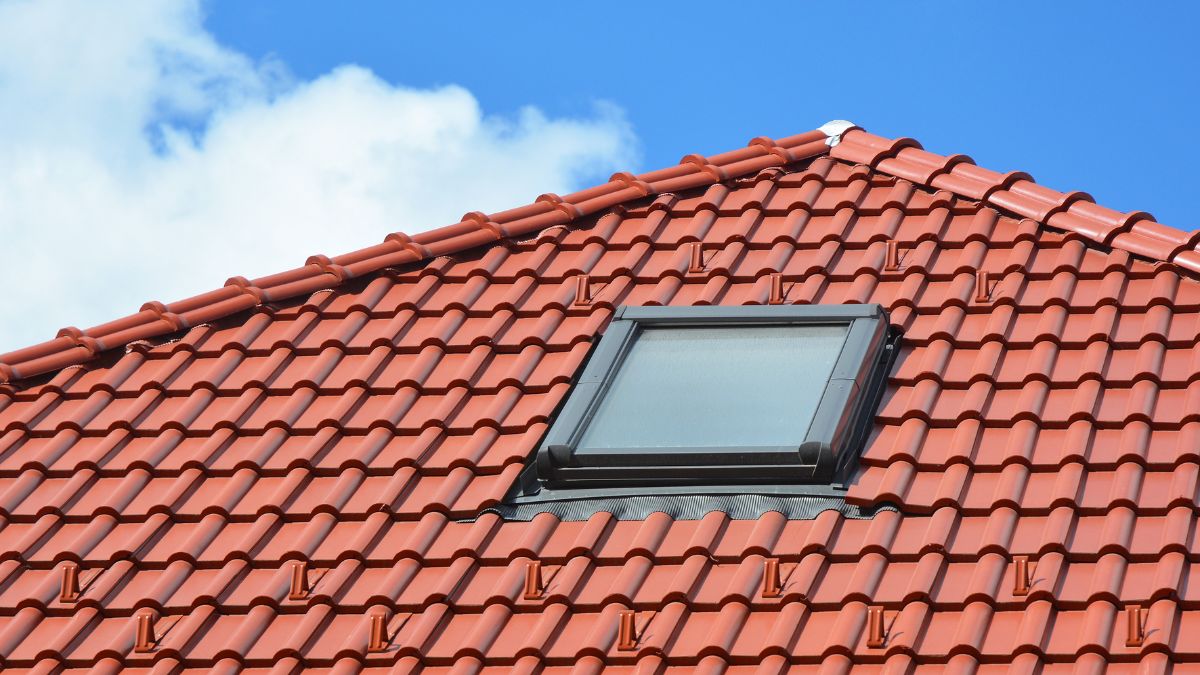
Roof windows are an effective way to bring more natural daylight into your home and create a brighter, more spacious indoor environment. They are particularly well suited to upper floors, lofts and rooms with sloping ceilings. However, there are several things to consider before installing a roof window. The pitch of the roof, the position of the window and weather conditions such as rain, snow and strong winds can all affect its performance and durability. Here, we explain what you need to know to choose and install the right roof window.
What is a roof window?
A roof window is a window installed directly into a sloping roof to allow natural daylight into a building. Unlike conventional façade windows, roof windows admit light from above, making them particularly useful in spaces where there is limited scope for installing ordinary windows.
Roof windows are available in various sizes, materials and designs. Some are opened manually, while others can be operated electrically or using solar power. Fixed roof windows are also available for daylighting purposes only.
The most suitable model depends on factors such as how the room is used, the roof construction and the need for ventilation.
What should you consider before installing roof windows?
Installing roof windows requires careful planning. As the window becomes part of the roof structure, its position, weatherproofing and insulation must all work effectively with the existing roof.
Some important factors to consider include:
- Roof pitch: Not all roof windows are suitable for the same roof pitch.
- Position: The location of the window affects daylight, ventilation and exposure to the weather.
- Roofing material: Installation must be adapted to the roof covering, whether clay tiles, concrete tiles or sheet metal.
- Insulation: Proper insulation around the window reduces the risk of heat loss and condensation.
- Waterproofing: The connection between the window and the roof must prevent water from entering the structure.
- Roof structure: Installation must not compromise the load-bearing capacity of the roof.
It is also advisable to check whether planning permission, building regulations approval or other formal notification is required before work begins.
How does rain affect roof windows?
Rain is one of the most important factors to consider when installing roof windows. Because the window sits directly within the roof surface, it is exposed to rainfall that must be able to drain away without entering the structure.
A correctly installed roof window is designed to withstand normal rainfall and channel water away. However, poorly made connections, damaged seals or incorrect installation can cause leaks.
It is particularly important that the flashing and connections to the roof's waterproofing layers are installed in accordance with the manufacturer's instructions.
On low-pitched roofs, water may drain more slowly, placing additional demands on the choice of window and installation system.
For opening roof windows, an integrated rain sensor can be a useful feature. It allows certain electrically operated or solar-powered models to close automatically when it starts to rain.
Can strong winds affect roof windows?
Strong winds can affect roof windows, particularly on exposed buildings or in areas that experience severe weather conditions.
When wind is combined with rain, water can be driven against the edges and connections of the window. This makes correct sealing and installation especially important.
Wind can also place loads on both the window and its fixings. The roof window must therefore be suitable for the building's conditions and installed according to the relevant instructions.
Opening roof windows should be kept closed during strong winds to reduce the risk of damage to the window and its fittings.
How do snow and ice affect roof windows?
During winter, snow and ice can accumulate around roof windows, particularly on roofs with a lower pitch or in locations where snow tends to remain in place.
When the snow begins to melt, the meltwater must be able to drain away. If ice or compacted snow blocks drainage, water can collect around the window.
This can increase the risk of leaks, especially if water is pushed against connections that are not designed to withstand prolonged exposure to standing water.
When planning the installation, it is therefore important to consider:
- The roof pitch and natural water drainage.
- The risk of snow accumulating around the window.
- The position of the window in relation to other roof surfaces.
- The window's suitability for local snow loads and weather conditions.
- Whether meltwater can drain away without obstruction.
During winters with heavy snowfall, it may also be necessary to check for snow and ice around the roof window. Any snow removal from the roof should be carried out using appropriate safety equipment and, where necessary, by qualified professionals.
Why is roof pitch important?
The pitch of the roof determines which roof windows can be installed and how water drains away from the window.
Rainwater usually drains more quickly from steeper roofs. On lower-pitched roofs, it becomes particularly important to choose a window and installation system approved for that roof pitch.
Conventional roof windows for pitched roofs often have a specified range of permitted roof pitches. Flat roofs require specially designed solutions, such as domed roof windows or other forms of roof glazing.
It is therefore important to check the manufacturer's requirements before choosing a window.
Where should a roof window be positioned?
The position of a roof window affects both the amount of daylight entering the room and how the window performs in everyday use.
A south-facing roof window can provide plenty of sunlight, but it may also contribute to higher indoor temperatures during summer. A north-facing window generally provides more even daylight with less direct sunlight.
How the room is used also matters. In a bedroom, blackout blinds may be important, while a home office may benefit from greater daylight throughout the day.
The window's position should also take account of roof trusses, chimneys, ventilation terminals and other parts of the roof structure. It is important to avoid arrangements that obstruct water drainage or encourage unnecessary snow accumulation.
Do roof windows need maintenance?
Like ordinary windows, roof windows need regular inspection and maintenance to perform reliably over time.
Leaves, branches and other debris can collect around the window and interfere with drainage. Seals and fittings may also deteriorate with age.
During maintenance, it is advisable to check that:
- The window opens and closes properly.
- Seals and fittings are in good condition.
- Water can drain away from the window.
- Flashing is correctly positioned and secure.
- There are no visible signs of dampness or leaks.
Inspection is particularly advisable after severe storms or periods of heavy snowfall. Areas that are difficult to access should be inspected by qualified professionals.
A properly installed roof window provides light and peace of mind
Roof windows can make a significant difference to both natural daylight and comfort in the home. At the same time, it is important to remember that the window is exposed to the same weather conditions as the rest of the roof.
By choosing a roof window suited to the roof pitch, taking rain, wind and snow into account, and ensuring correct installation, the risk of future problems can be reduced.
With regular maintenance and effective seals, a roof window can provide a long-lasting solution that offers both natural daylight and improved ventilation.