Roofing felt – a durable roofing material for all weather conditions
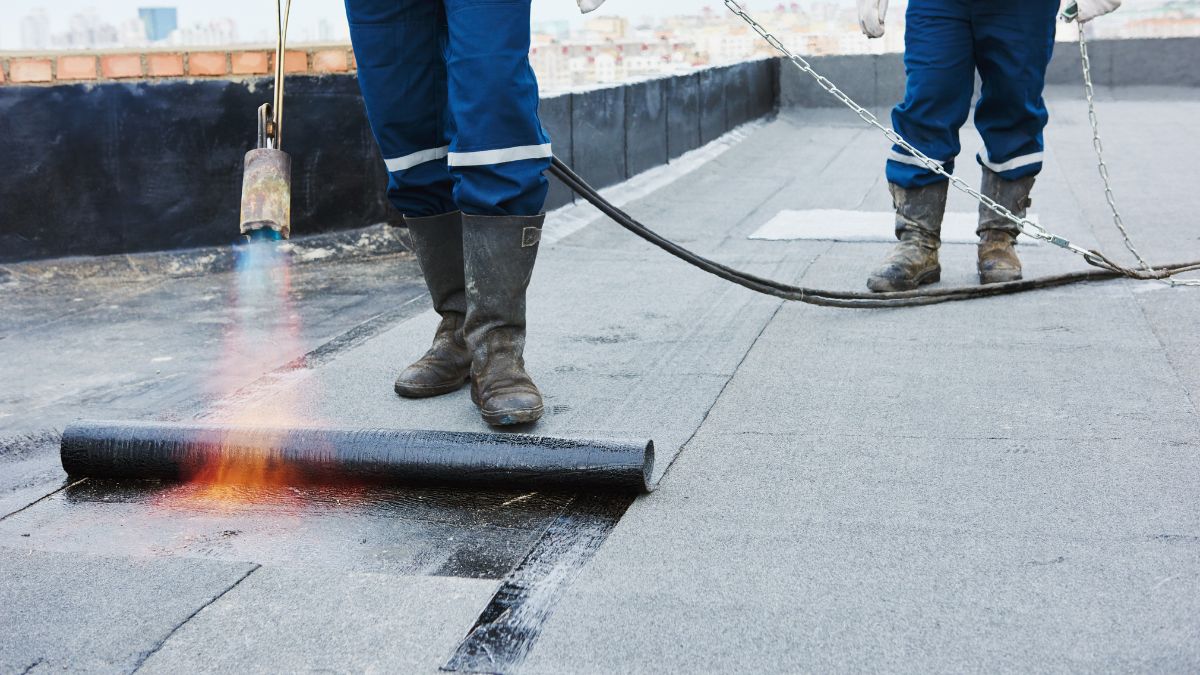
Roofing felt is a popular and affordable roofing material that protects buildings against rain, snow, wind and moisture. It is used on everything from houses and holiday homes to garages and sheds. Thanks to its low weight and flexibility, roofing felt is particularly suitable for low-pitched roofs.
Roofing felt is a popular and affordable roofing material that protects buildings against rain, snow, wind and moisture. It is used on everything from houses and holiday homes to garages, sheds and small outbuildings, including Swedish Attefall houses. Thanks to its low weight and flexibility, roofing felt is particularly suitable for low-pitched roofs.
What is roofing felt?
Roofing felt is usually made from a durable reinforcing material coated or impregnated with bitumen, making it water-resistant and flexible. There are two common types: roofing underlay, which is installed beneath other roofing materials, and cap sheet roofing felt, which forms the roof's outermost protective layer against the elements.
Modern cap sheets often have a protective surface coating that helps the material withstand sunlight, UV radiation and wear.
What weather conditions can roofing felt withstand?
Roofing felt is well suited to the Swedish climate. It provides effective protection against rain, snow, frost and wind, while its flexibility allows it to cope with temperature changes.
| Weather conditions | Properties of roofing felt |
|---|---|
| Rain and heavy downpours | Provides waterproof protection when correctly installed |
| Snow and frost | Withstands cold weather and temperature fluctuations |
| Wind and storms | Good wind resistance when properly secured |
| Sun and heat | The surface coating protects against UV radiation |
| Moisture | Helps prevent water from penetrating the roof structure |
Where is roofing felt most suitable?
Roofing felt is particularly suitable for low-pitched roofs, where traditional roof tiles are not always practical. It is a common choice for garages, carports, garden sheds, small outbuildings and holiday homes, but it is also used on houses and larger properties.
| Feature | Benefit of roofing felt |
|---|---|
| Roof pitch | Particularly suitable for low-pitched roofs |
| Weight | Lightweight material that places less strain on the roof structure |
| Flexibility | Accommodates minor movements in the roof |
| Lifespan | Often around 20–30 years when correctly installed |
| Maintenance | Relatively easy to inspect and maintain |
| Cost | Affordable option for many types of roof |
Why choose roofing felt?
Roofing felt combines excellent weather resistance, low weight and good flexibility with a relatively low cost. This makes it a practical choice for both new buildings and roof renovations.
By choosing the right type of roofing felt and ensuring correct installation, you can achieve durable, reliable roof protection that withstands changing weather conditions.