Choosing the right roofing material – a guide to different roof types
Choosing the right roofing material is important for your home's appearance, durability and protection against the elements. Different roofing materials vary in terms of lifespan, maintenance, weight and cost.
The best material for your home depends on factors such as the pitch of your roof, the building's structure and your preferred style. Here, we look at different roofing materials and their main characteristics.
Asphalt shingles
Asphalt shingles are a lightweight roofing material made from small sections of bitumen and reinforcing materials. They come in various colours and shapes and are often used on houses, holiday homes and smaller buildings. Asphalt shingles are relatively easy to install and are suitable for roofs with an adequate pitch. They are also an affordable option for anyone looking for a lightweight roof covering.
Sheet metal and metal roofing
Metal roofing is a popular choice thanks to its low weight, durability and long lifespan. It comes in several forms, including standing seam roofing, click-fit metal roofing and corrugated or trapezoidal metal sheets. Common materials include steel and aluminium, although copper and zinc are also used. Metal roofing generally requires relatively little maintenance and suits both modern and traditional buildings.
Clay and concrete roof tiles
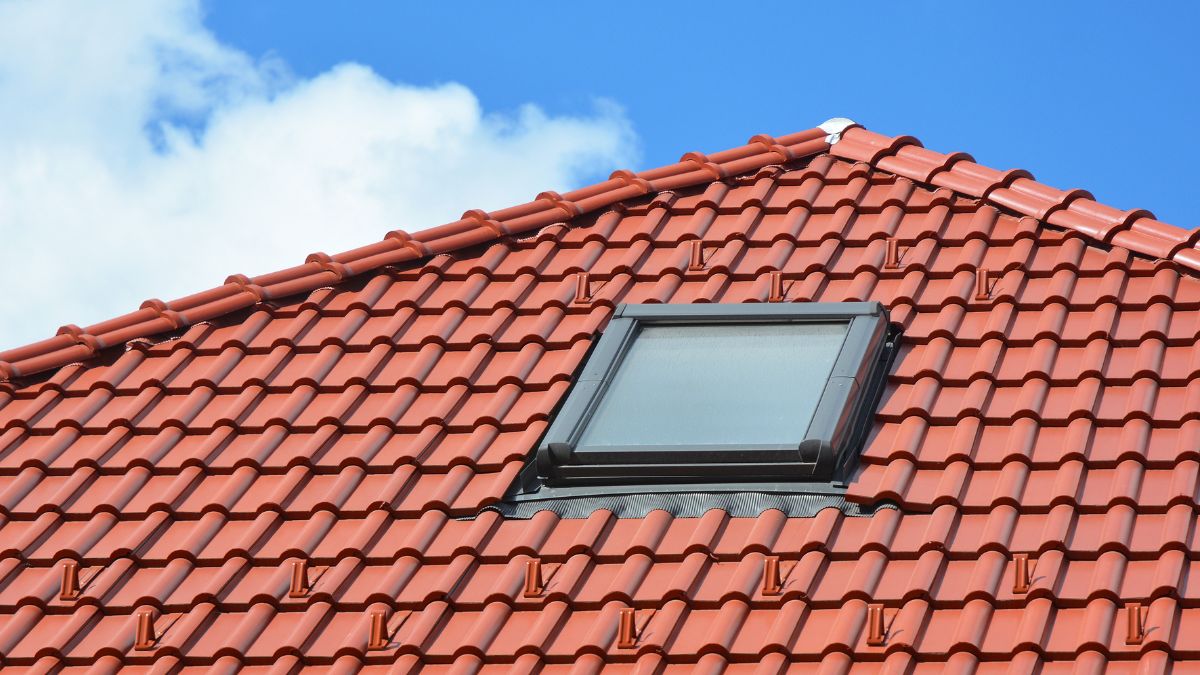
Clay and concrete tiles are two of the most common roofing materials used on Swedish homes. Clay tiles are made from fired clay and are valued for their classic appearance and long lifespan. Concrete tiles are made from concrete and are often a more affordable alternative. Both materials are durable and provide good protection against the weather, but they require a roof structure strong enough to support their weight.
Slate
Slate is a natural stone material used for roofing. It is known for its exceptionally long lifespan and distinctive, high-end appearance. Slate roofs are highly resistant to the elements and generally require little maintenance. However, slate is relatively expensive, and installation requires specialist skills, which often increases the overall cost.
Wooden shingles
Wooden shingles are a traditional roofing material made from thin pieces of timber, often pine or spruce. They are mainly used on older buildings, historic properties and certain holiday homes. Wooden shingles give a roof a natural, rustic appearance but require regular maintenance to protect against moisture and rot. Their lifespan depends on factors such as the type of wood, installation and weather conditions.
Roofing felt and bitumen
Roofing felt is a flexible roofing material usually made from bitumen and a reinforcing layer. It is often used on flat roofs and low-pitched roofs where other roofing materials may not be suitable. Modern bitumen roofing can provide effective protection against rain and moisture when installed correctly. The material is relatively lightweight and is used on residential properties, garages and other buildings.
Mixed roofing materials
Some buildings have several different roofing materials, such as clay tiles on the main roof and roofing felt on a garage or extension. If you are unsure which material your roof is made from, it is worth taking a closer look. The properties of the roofing material affect maintenance requirements and how rainwater can be collected from the roof.
Which roofing material should you choose?
When choosing a roofing material, consider the pitch of your roof, the structure of your home, your budget and how much maintenance you are willing to carry out. Some materials have a higher initial cost but can last for a very long time, while others are cheaper to install but may need replacing sooner.
If you also plan to collect rainwater from your roof, it is important to consider how the roofing material may affect water quality. Certain metals and surface treatments can release substances into rainwater. You should therefore choose a roofing solution that suits both your building and how you intend to use the collected water.
With the right roofing material, you can have a roof that protects your home while complementing its style and meeting your needs for many years.