Repair or replace your roof – essential information
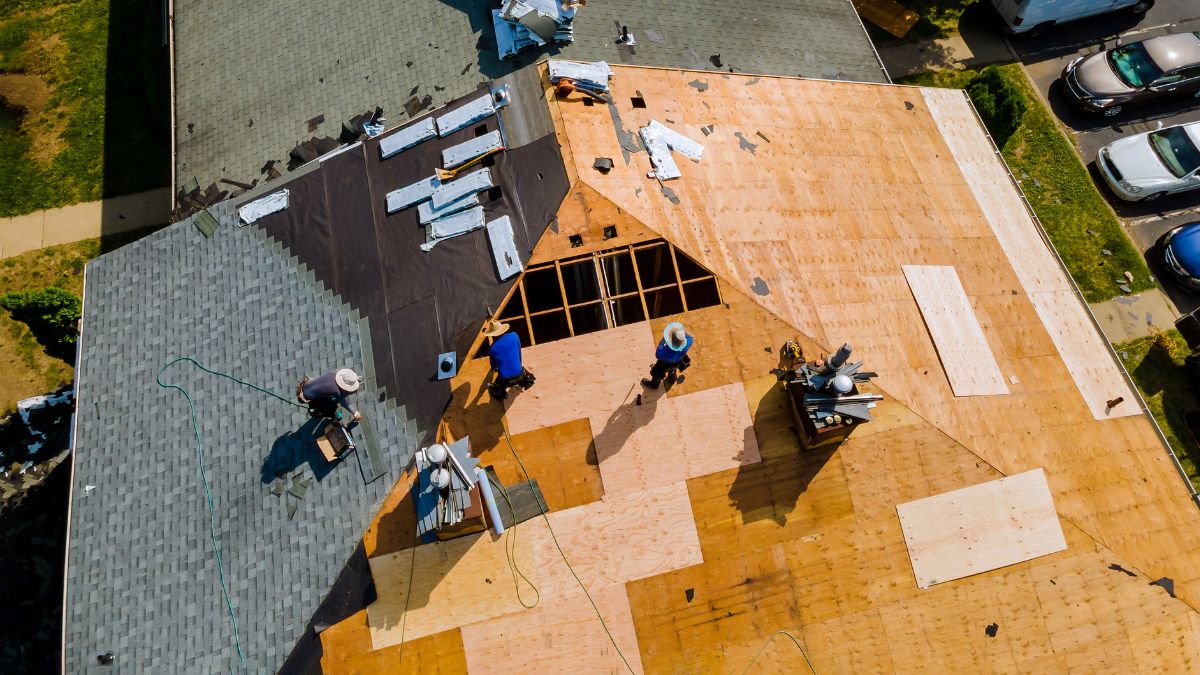
The roof is one of the most important parts of your home, protecting the building from rain, snow and moisture. Over time, a roof can deteriorate and need repairing or replacing. But how do you know whether a repair is enough or if a complete roof replacement is necessary?
Here, we explain what to consider, which warning signs to look out for and how you can take the opportunity to improve your home's roof drainage system.
When is repairing the roof enough?
If your roof is still in good condition, minor repairs may be all that is needed. This could involve replacing a few broken roof tiles, fixing small leaks or repairing damaged flashing.
Repairing a roof is usually cheaper than replacing the entire roof. However, it is important to check that any damage has not spread to the roof underlay or other parts of the roof structure.
When is it time to replace your roof?
If your roof has extensive damage or recurring leaks, replacing the entire roof may be more cost-effective. An older roof that needs frequent repairs can become expensive to maintain over time.
Signs that a roof replacement may be necessary include cracked roof tiles, rotting timber, damp in the loft or deteriorating roof underlay. A professional roof inspection can help you determine which option is best.
Check your roof regularly
To spot problems early, it is a good idea to inspect your roof regularly, particularly after severe storms or periods of winter snow and ice.
Look out for loose roof tiles, damaged flashing and signs of damp. Also check the gutters and downpipes to make sure rainwater can drain away properly. Identifying minor damage early can help you avoid larger and more expensive repairs.
How much does it cost to repair or replace a roof?
The cost depends on the size of the roof, the materials used, its pitch and the extent of the work required. Minor repairs are normally less expensive, while a complete roof replacement involves a larger investment.
It is therefore worth comparing the cost of repairs with how long the roof is expected to last afterwards. If the roof is already old and worn, replacing it may be the better option in the long run.
Take the opportunity to install a rainwater collection system
If you are already planning to repair or replace your roof, it is a great opportunity to consider collecting rainwater. By installing or adapting your gutters and downpipes, you can easily direct rainwater into a water butt or rainwater storage tank.
The collected water can then be used to water flowers, shrubs and other plants in the garden. This helps reduce your consumption of drinking water while providing a practical water reserve during drier periods.
If you are planning to change your roofing material, it is also worth choosing a material suitable for rainwater harvesting, as certain roofing materials can affect water quality.
Plan your roofing work carefully
Whether you decide to repair or replace your roof, it is important that the work is carried out correctly. A well-maintained roof protects your home from the weather and moisture while helping to reduce the need for future repairs.
Consider asking an experienced roofer to assess the condition of your roof and recommend the necessary work. It is also a good opportunity to check your roof drainage system and plan for rainwater collection. This will give you a more carefully considered solution that can work effectively for many years.