Everything about water scarcity and what you should consider
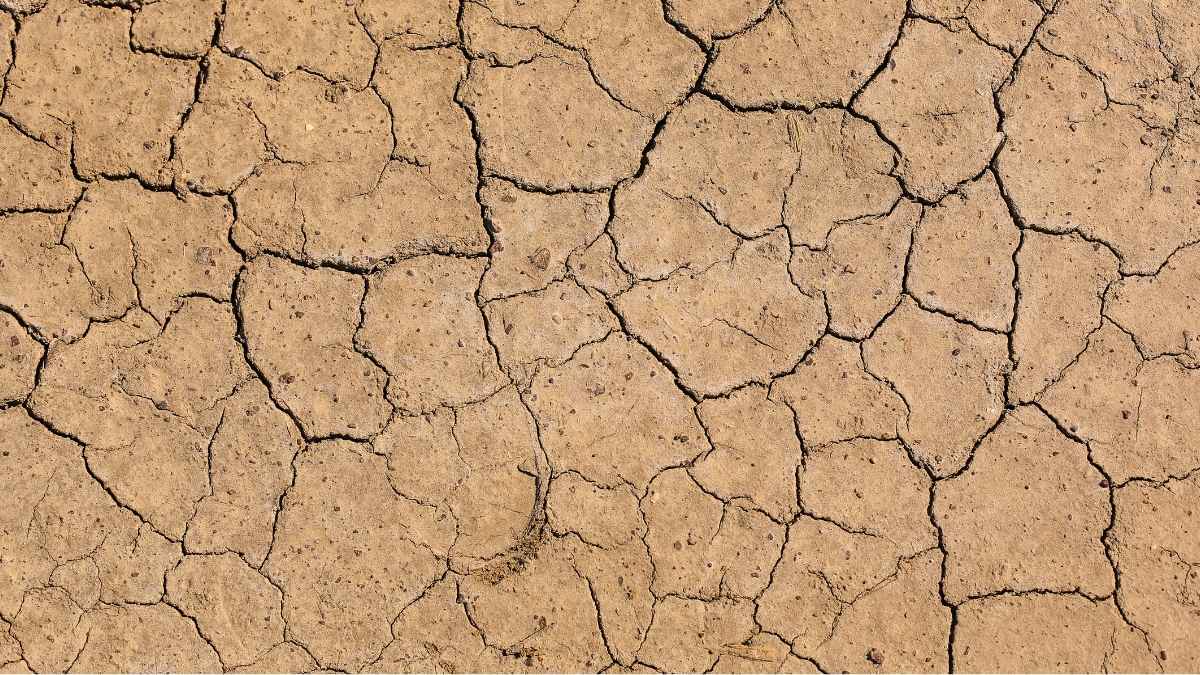
Water scarcity can occur when the available water supply is not enough for households, agriculture, nature and other needs. The problem can be temporary or long-term and is influenced by factors such as precipitation, temperature, groundwater levels and how much water is used. By understanding the causes and planning water use, it is possible to be better prepared.
What does water scarcity mean?
Water scarcity means that the amount of usable water available is lower than demand. It can involve low levels in groundwater, lakes or rivers, but it can also mean that the water supply is under heavy pressure during certain periods. The situation can vary greatly depending on where you live and which water source you use.
Why does water scarcity occur?
Long periods with little precipitation can reduce water availability, especially when combined with warm weather and high evaporation. At the same time, water consumption can increase during dry periods when more water is used for activities such as irrigation. Local conditions, population, land use and water infrastructure also affect how vulnerable an area is.
Water scarcity can be very local
Even areas that are relatively close to each other can have very different conditions. One place may have a good water supply while another experiences low groundwater levels or restrictions on water use. It is therefore important to follow information from your municipality, water supplier or other local authorities where you live.
Consider which needs are most important
When there is a risk of water scarcity, it is useful to think about which uses really require drinking water. Irrigation, cleaning and other tasks can in some cases be carried out using water from other sources. Thoughtful water use can reduce pressure on the regular water supply.
Rainwater can be an additional resource
Rainwater that falls on the roof can be collected and stored for later use. How much can be collected depends on factors such as roof size, roof material and precipitation where the property is located. The collected water can, for example, be used for irrigation and other purposes where drinking water is not required.
Plan before water scarcity occurs
It is easier to prepare before a dry period begins than when water scarcity is already a reality. Check how much water you normally use, what alternative water sources are available and how much storage capacity you may need. With RainTact, you can calculate how much rainwater your roof can collect during the year and month by month, giving you a clearer basis for planning.