Collecting rainwater for garden irrigation
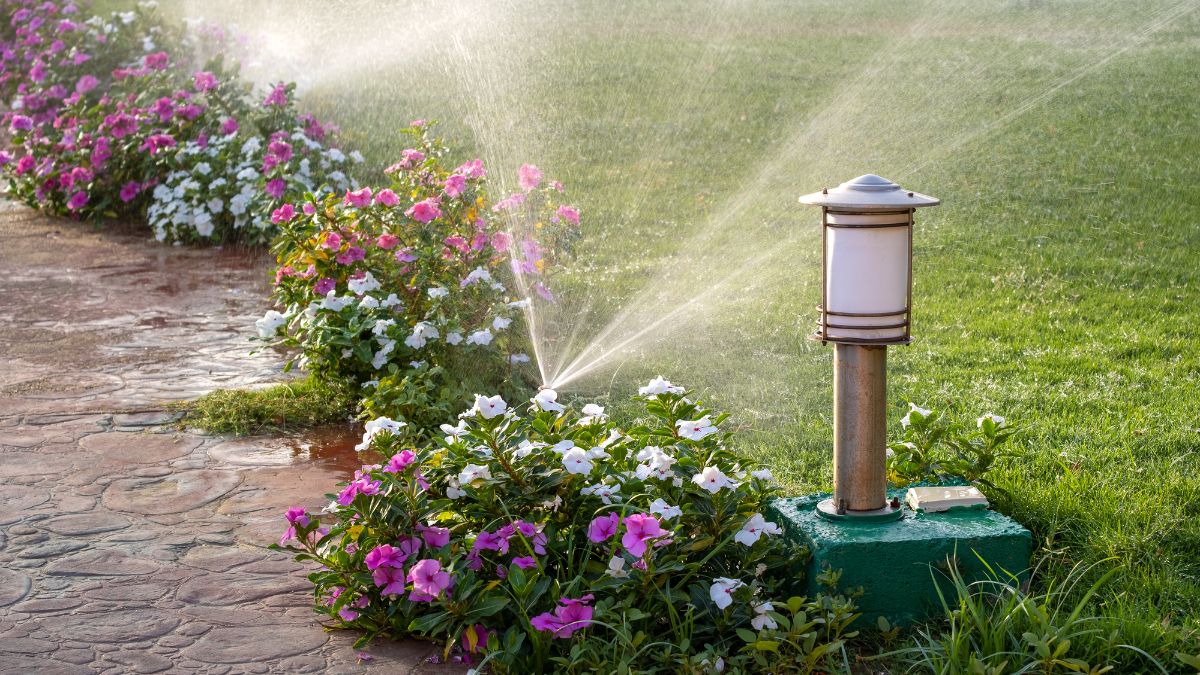
Collecting rainwater for garden irrigation is a smart way to make use of the water that already falls on your roof. By storing rainwater from wetter periods, it can be used later when your garden needs additional watering.
RainTact shows how much rainwater your roof can collect
With RainTact, you can calculate how much rainwater a specific roof can collect.
You enter the location, roof area and roofing material. RainTact uses historical precipitation data for the selected location together with its own calculation engine to create a clear report with both annual and monthly results.
This makes it easier to understand how much water may be available for your garden and how the potential changes throughout the year.
Gardens need different amounts of water throughout the year
A garden's water requirements are not constant.
During cooler and wetter periods, natural rainfall may provide much of the water needed. As temperatures rise and the soil dries more quickly, the need for additional irrigation can increase.
This is why being able to store water from rainy periods and use it later can be valuable.
The roof acts as a natural collection surface
When it rains, precipitation falls across the entire roof surface.
The larger the roof, the more water it can receive from the same amount of rainfall.
Water is normally directed through gutters and downpipes, making the roof a natural starting point for a rainwater collection system.
Local rainfall affects the amount
The amount of rain that falls varies from one location to another.
Two roofs of the same size can therefore produce different amounts of water if they are located in areas with different levels of rainfall.
It is therefore better to use data for the actual location rather than general examples when planning garden irrigation with rainwater.
Roofing material affects runoff
Not all rain that falls on the roof automatically reaches the tank.
Some water may remain on the roof surface, evaporate or be lost before it reaches the gutters.
Different roofing materials therefore have different runoff characteristics, which affect how much water can actually be collected.
Rain barrel or larger tank?
For smaller gardens, a standard rain barrel may be sufficient.
It can be used for pots, flower beds and smaller growing areas.
For larger gardens, greenhouses or more regular irrigation, a larger tank can provide considerably more storage capacity.
Storage makes water available when it is needed
One of the main advantages of rainwater collection is that the water does not have to be used immediately when it rains.
It can be stored in a container and used later when the soil is drier.
In this way, rainfall from a wetter period can contribute to irrigation during a drier period.
Which parts of the garden can be watered?
Depending on the system and how the water is handled, collected rainwater can be used for, for example:
- flowers and flower beds
- shrubs and trees
- lawns
- growing beds
- greenhouses
- pots and planters
How far the water goes depends on the amount collected and the size of the areas that need watering.
A small tank can fill up quickly
During heavier rainfall, a smaller container can fill up in a short time.
Once the tank is full, excess water continues to flow away and cannot be stored.
This means that a larger share of the roof's potential may be lost if storage capacity is too small in relation to the rainfall.
Irrigation creates space for the next rainfall
When you use water from the tank, new storage capacity is created for the next rainfall.
This means that a system used regularly can receive new water several times during the season.
As a result, the same tank can provide considerably more water over time than its maximum volume alone might suggest.
Monthly results help with planning
For irrigation, it is particularly useful to understand how rainfall varies between different months.
An annual total shows the overall potential, but it does not show when the water is normally available.
Monthly data makes it easier to see which periods may provide more water and when stored water may become particularly important.
Start by finding out how much water is available to you
Before choosing a tank size or planning how much of the garden you want to irrigate, it is useful to first understand how much rainwater the roof can provide.
With RainTact, you get a clear basis based on your specific location and roof, making it easier to plan irrigation in a more informed way.